fbpx

Rock-n-ROLLE: The Bright, Sunny Grape With a Rock-Star Soul

wine of Nice

Rolle may not be the loudest name in the wine world, but once you taste it, this Mediterranean gem plays straight to the heart. Known in many places as Vermentino, the grape thrives in sun-drenched, windswept terroirs where sea breezes, rocky soils and centuries of local tradition shape its bright, aromatic personality. In this article, we’ll dive into the fascinating landscapes behind Rolle’s finest expressions — from the dramatic hills of Bellet overlooking Nice to the rugged vineyards of Corsica — and discover why this white wine is quickly becoming a favourite among curious wine lovers. Get ready to turn up the volume on a grape that truly rocks.

ORIGIN of ROLLE

Rolle is believed to have appeared in Corsica in the 13th or 14th century. However, the first written mention of it was found in Piedmont and dates back to the 17th century. Most likely, this variety came to Piedmont from Liguria. In Piedmont, it was called Favorito, meaning it was a favourite among table grape varieties.

NAMES

The indigenous name of the variety is Vermentino. It’s called that in Liguria, Sardinia, and Corsica. But in mainland France, the name Rolle is used. Working primarily with French wines, the name Rolle is more familiar to me, so I’ll use it more often to avoid confusion. But the name Vermentino is still worth remembering; it’s very common.

In Piedmont, you might encounter the same Rolle or Vermentino under the name Favorita. In northern Corsica, it’s known as Malvasia da Corsica. In the eastern French Pyrenees, it’s Malvasia da Douro. Pigato is in Liguria. Vermentina is in the Corsican dialect. But the essence remains the same, despite all these names! It’s still the same aromatic Rolle! By the way, if you come across Rollo da Cinquaterra, know that it’s not the same as Rolle, but a completely different variety.

The name Vermentino itself may derive from the word “vermene,” which was used in Piedmont to describe the slender young shoots of grapevines. However, in Piedmont, Vermentino was also called “fermentino,” meaning “one that ferments,” perhaps referring to the effervescence of the young wines due to residual sugar.

TERROIR

Rolle, or Vermentino, prefers to be close to the Mediterranean. I can certainly understand this. The southern coast of France, the Ligurian coast of Italy, Corsica, and Sardinia are its natural habitat. The best wines come from grapes grown in poor soils and slightly above sea level.

Roll is sensitive to spring frosts. He’s a true Mediterranean guy, loving the sun, warmth, and sea breeze.

MAIN REGIONS

The main growing regions for Rolle and other synonyms are Italy and France. Italy includes Liguria, Sardinia, and Piedmont. France, the Mediterranean coast, including Corsica.

France has a larger area of Rolle vineyards than Italy, its native country. The largest plantings are in the French department of Var (part of the Provence wine region), as well as in Corsica, Languedoc-Roussillon (mainly the western coastal region of Languedoc). 

Vermentino, also known as Pigato, is the most widely planted grape in the Italian region of Liguria. Vermentino is also the main white grape of Sardinia, particularly in the north of the island. Sardinia‘s only DOCG, Gallura, has even been created for it. Small plantings of Vermentino are found in Tuscany, Umbria, Puglia, and Lazio. In Tuscany, for example, Vermentino can be used as one of the grapes for Vin Santo. Small areas of Vermentino, known as Favorita, exist in Piemont, particularly the Alba zone, but these are becoming increasingly rare. 

Vermentino can be found in Malta and in high-altitude vineyards (1200 m) in Lebanon. In the United States, it is found in California, Texas, North Carolina, and Virginia. There are also Vermentino vineyards in Brazil and Australia.

HOW DOES ROLLE TASTE?

Wines made from Rolle or Vermentino are always fresh and aromatic, with good acidity and medium alcohol, with a bitter finish (often described as grapefruit or green almond). On the palate, Rolle wines are dry but quite oily, with notes of citrus, minerality, and even a slight saltiness. However, very different styles can be found. The best Rolle examples are more mineral, floral, fruity, and slightly spicy. To maintain the necessary acidity for balance, the grapes often need to be harvested quite early.

To simplify matters, two main Rolle styles can be distinguished:

  • the lighter, more floral Rolle.
  • the richer, fuller-bodied Rolle;

Of course, there’s a difference in terroir, but a significant responsibility also lies with the winemaker, especially when choosing whether to subject their Rolle to malolactic fermentation (malolactic fermentation is the conversion of malic acid into lactic acid using a special bacterium). Malolactic fermentation gives Rolle a rounder, more oily structure. Without it, the wine will be lighter, sharper, and more acidic.

Rolle in Provence and Languedoc

Rolle is currently the most widely planted white grape in Provence (accounting for 60% of all white grape plantings). It’s used here both as a single-variety grape and as part of blends to round it out. But sometimes it’s even used to add freshness and piquancy to rosé blends, especially among the region’s top producers. In Languedoc, Rolle is typically blended with Viognier, Marsanne, and Roussanne.

Rolle is a white wine from Nice

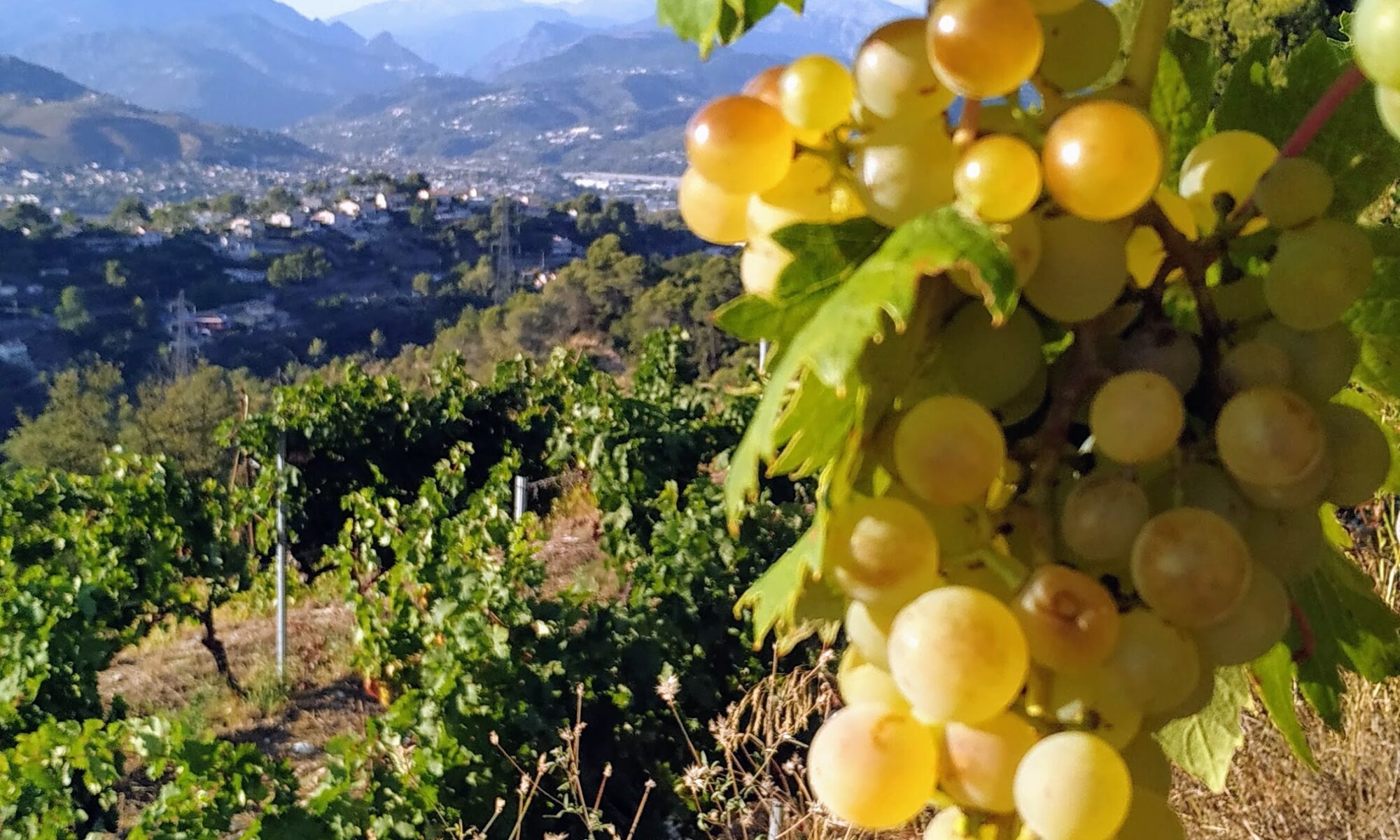
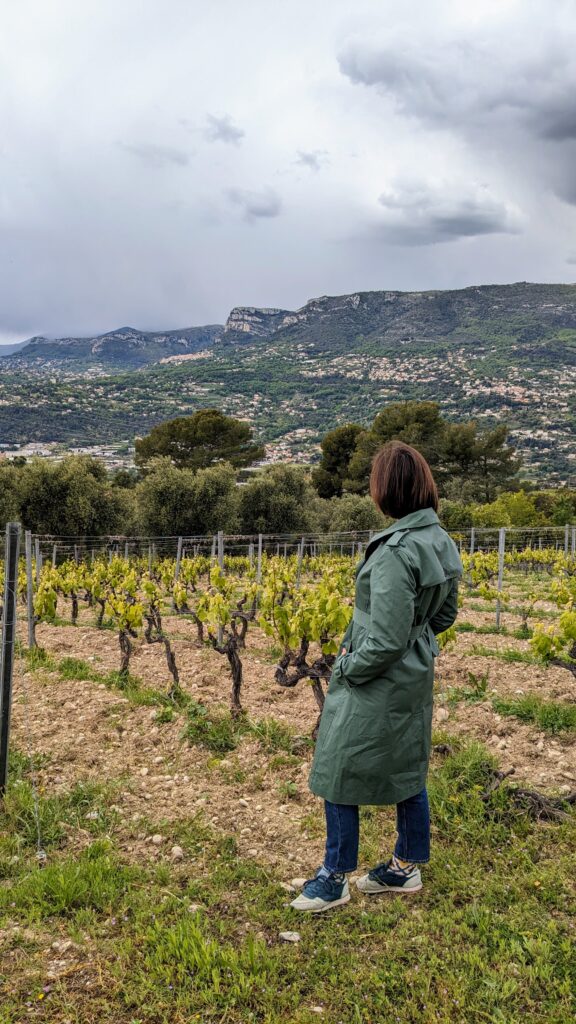
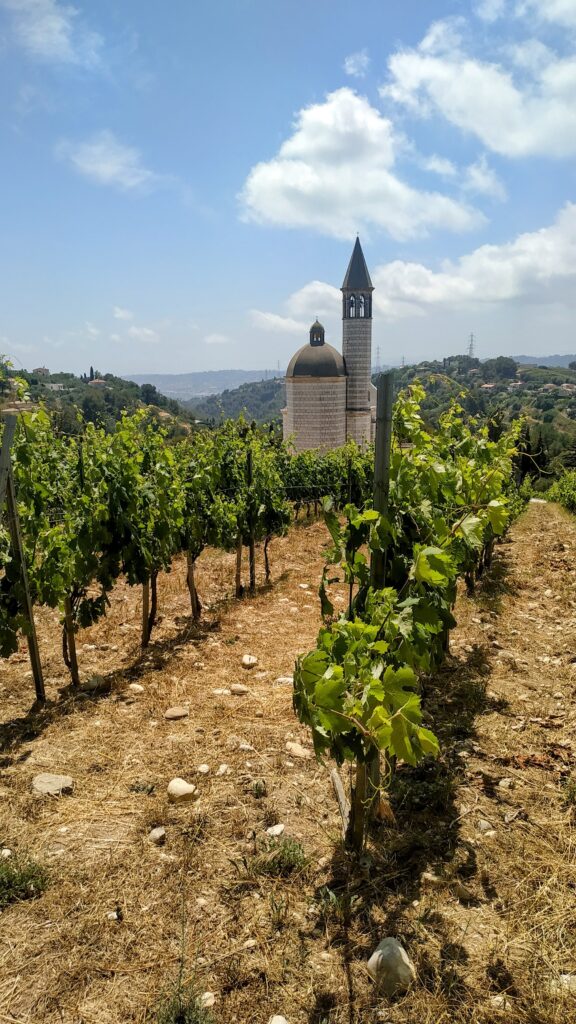
Rolle plays a central role in the white wines of the Bellet appellation, nestled on the hillsides northwest of Nice, between 200 and 400 meters above sea level, on the puddingstone and pebble terraces typical of this unique terroir. Thanks to the combined influence of the Mediterranean climate—sunshine and sea breezes by day and Alpine winds by night—and the gravelly and sandy soil, Bellet white wines made from Rolle are distinguished by their freshness, subtle salinity, pronounced minerality, and elegant aromas of white flowers, aromatic herbs, or orchard fruits.

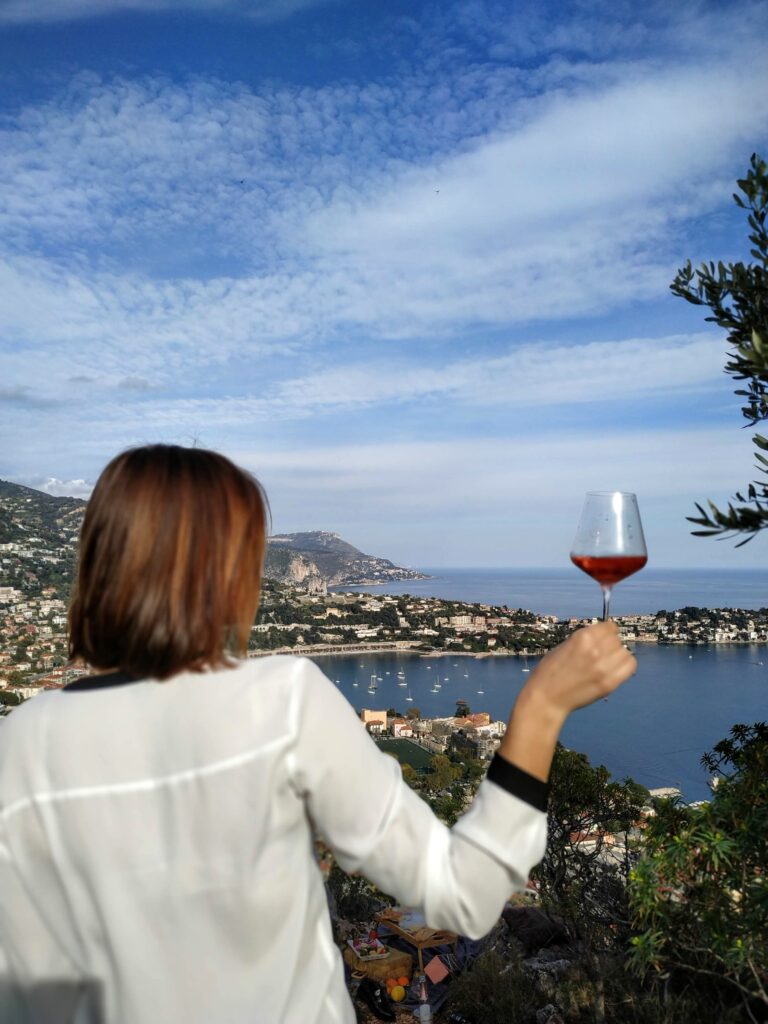
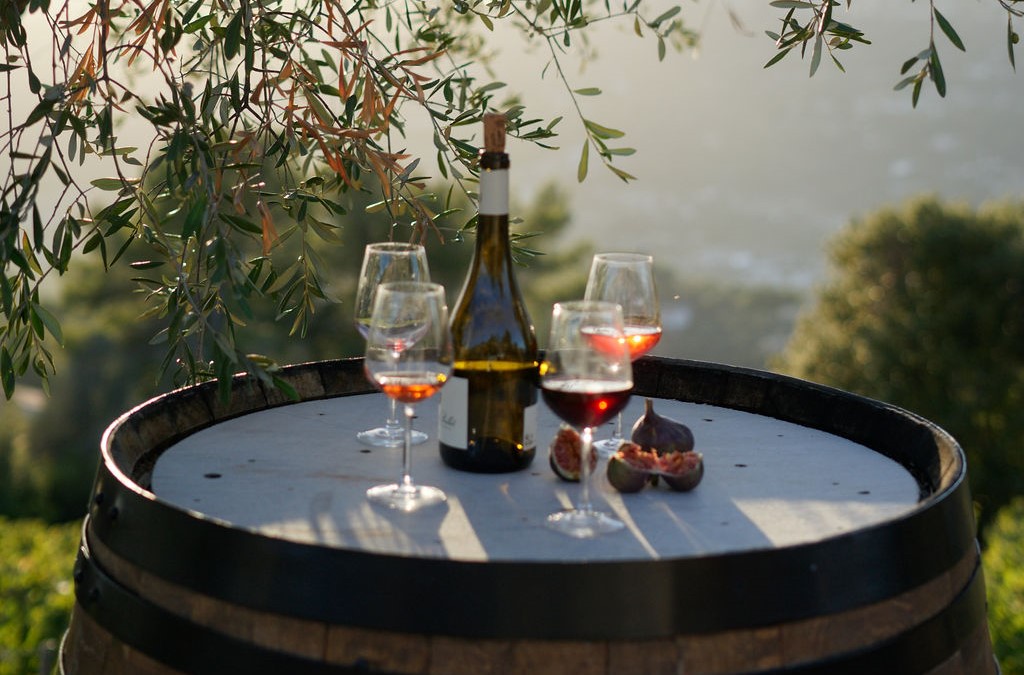
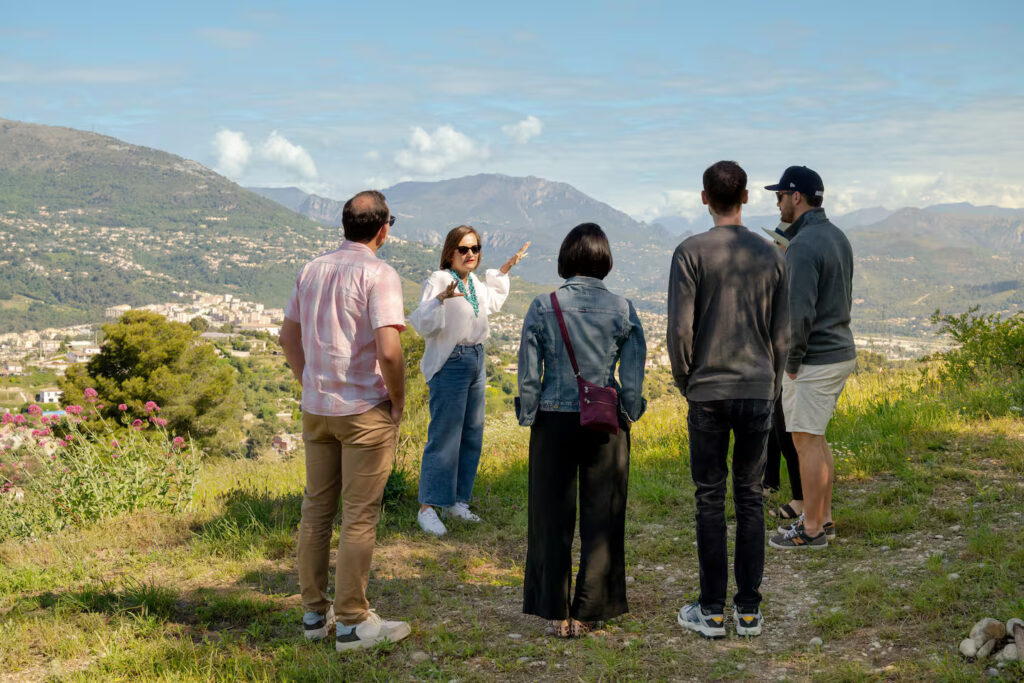
In certain cuvées—particularly at estates like Château de Bellet—Rolle is sometimes vinified on its own, or blended with a touch of Chardonnay, and aged in stainless steel tanks or larger oak barrels to preserve aromatic purity, but also add complexity and structure. Finally, this urban vineyard—one of the smallest and oldest in France—offers a remarkable setting: hills overlooking the Mediterranean sea and the Alps, accessible by a short drive from the city centre, and steep terraced slopes. You can join us for a guided tour, discover the vineyard, learn the secrets of this unique terroir, and taste some of the finest Rolle wines — a moment I look forward to sharing with you. Find more details and book a Vineyard Tour in Nice here. 

vineyard tour in Nice

Vermentinu in Corsica

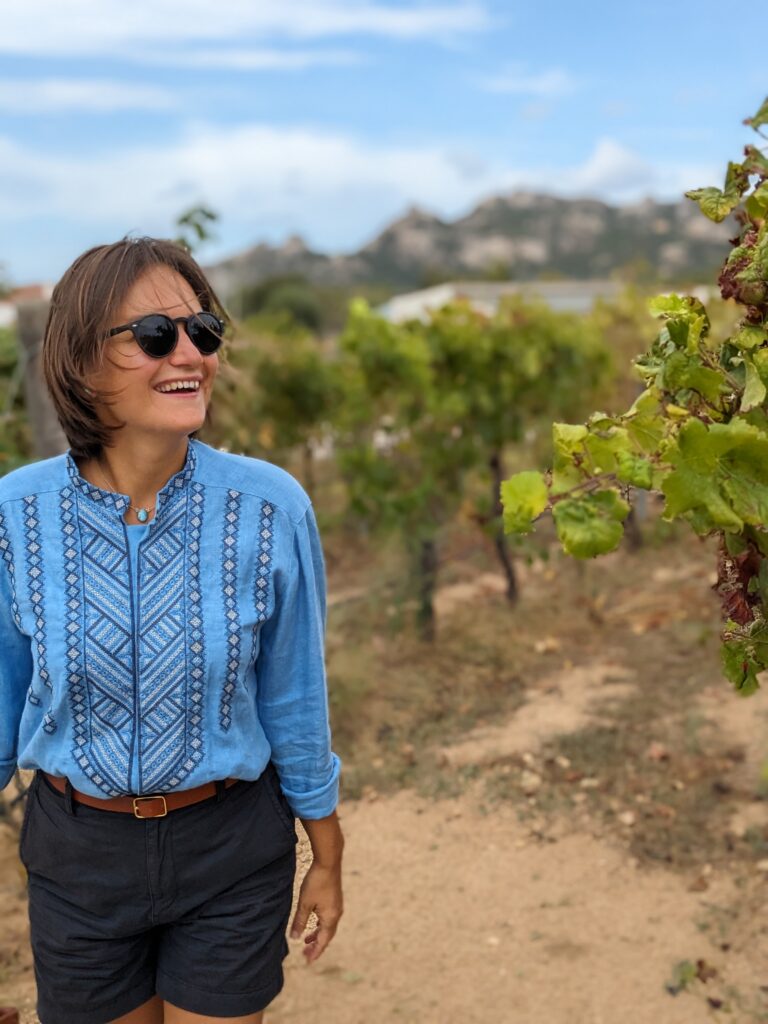
In Corsica, Rolle is called Vermentinu. It is also the region’s number one white grape. In Corsica, Vermentinu finds some of its most expressive terroirs, producing wines that are among the finest examples of the grape anywhere in the Mediterranean. The best sites are typically located on elevated, windswept slopes where the island’s rugged geology shines through: granite-dominated soils in the north (notably around Patrimonio and Calvi) give Vermentinu its trademark tension, salt-kissed minerality, and aromatic precision, while the schist and alluvial terraces of Figari and Sartène in the south deliver slightly fuller, more textured wines marked by ripe orchard fruit, citrus zest, and Corsican maquis herbs. The Porto-Vecchio appellation also produces fresh white wines with good acidity.

The best Corsican wines from this variety are dry, with a slight minerality and smokiness. The combination of maritime influence, strong diurnal shifts, and persistent winds — the Libeccio and Mistral — helps preserve acidity even in warm summers, allowing Vermentinu to achieve ripeness without losing freshness. Corsican Vermentinos are soft, golden, and high in alcohol. These conditions explain why Corsican Vermentinu is often considered a benchmark style: vibrant yet complex, delicately floral, and unmistakably shaped by the island’s dramatic landscapes.

Vermentino in Sardinia

Sardinia boasts examples of full-bodied and complex Vermentinos, especially from the northern part of the island. The DOCG Gallura, with its granite soils, is considered the best region. Here, the climate is ideal for producing rich white wines: plenty of sun, high daytime temperatures, but the presence of a cooling nighttime breeze from the sea creates excellent conditions for the wine’s acidity and intensity of flavour. Vermentino in Sardinia is typically not aged in oak. It’s fresh and acidic, with notes of green apple, citrus, and pear. In northern Sardinia, they even produce sparkling wine from Vermentino. The local Vermentino smells of pear, lime, grapefruit, and peach. The best full-bodied examples are quite mineral and develop a zest-like aroma over time. Read more about the trip to Sardinia and its wines in this article.

Vermentino in Liguria

Ligurian Vermentinos are typically lighter, floral, mineral, and slightly salty. Aromas of freshly cut grass and even vegetable notes can sometimes be detected, especially on the palate.

Vermentino of California and Australia

California Vermentinos are very aromatic and citrusy. This same New World style of Vermentino is also prized in Australia. The wines have aromas of ripe fruit.

FOOD PAIRING

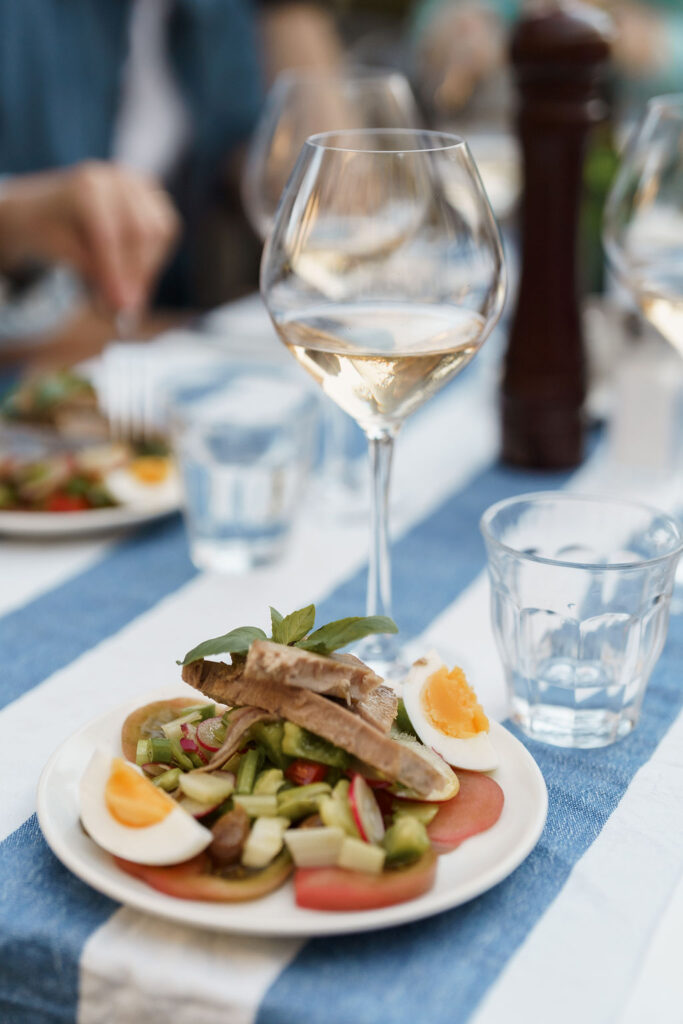
Rolle goes well with grilled or baked light meats and fish. The best fish pairings are catfish or black cod. This variety, thanks to its saltiness and phenolic bitterness, pairs beautifully with spices and the full range of Provençal herbs. Avoid highly acidic flavours in food, as they can overpower the Rolle’s performance.

Soft and light cheeses pair best with Rolle, such as Ricotta, Buffalo Mozzarella, Goat Cheese, Pecorino, Feta, and Fiore Sardo.

wine and food tour in Nice

Rolle’s phenolic properties pair it well with vegetables and hummus. If you’re dressing your dish with pesto, a Rolle-based wine will do the job better than any other!

Pasta? Rolle or Vermentino pairs perfectly with pesto pasta, seafood, and vegetable primavera.

Salmon? Why not? Rolle will highlight the richness and fattiness of the salmon and make a wonderful, sophisticated, yet understated addition. For fresh salmon, a fresh, high-acid Vermentino, such as from Sardinia, is best. For grilled salmon, especially in a creamy sauce, an oak-aged Rolle is a better choice.

The beauty of Rolle is that it can be served with both a sophisticated dinner party dish and a simple, less pretentious, yet equally delicious meal. For example, a fried ham and cheese sandwich would be even more appetising with the herbal notes of wine.

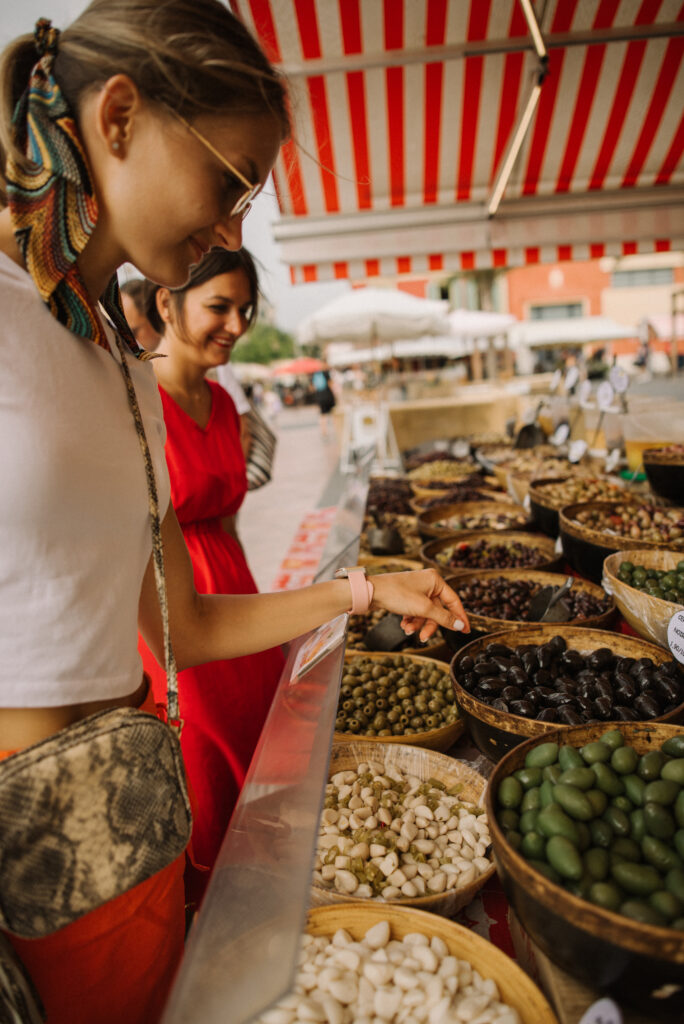
You can try some of the best local wine and food pairings from Nice during our Gourmet Walking Tour. Find out more details and book it here.

YOU WILL LIKE ROLLE IF YOU LIKE…

Varieties with a similar profile include Albariño, Grüner Veltliner, Sauvignon Blanc, Semillon, Verdejo, and Garganega (Soave). For me personally, Rolle is an excellent Mediterranean alternative for lovers of Sauvignon Blanc. Especially if you prefer Sauvignon Blanc’s aromatics over its acidity. Rolle also has all those green notes, just as full of citrus, but it’s rounder, softer, and, in a good way, jaded by the southern Mediterranean sun.

And if you’re a beer lover and just starting to appreciate wine, then focus on IPAs. If you enjoy this particular style of beer, you’ll love Rolle in the world of wine.

HOW TO LEARN AND TASTE MORE

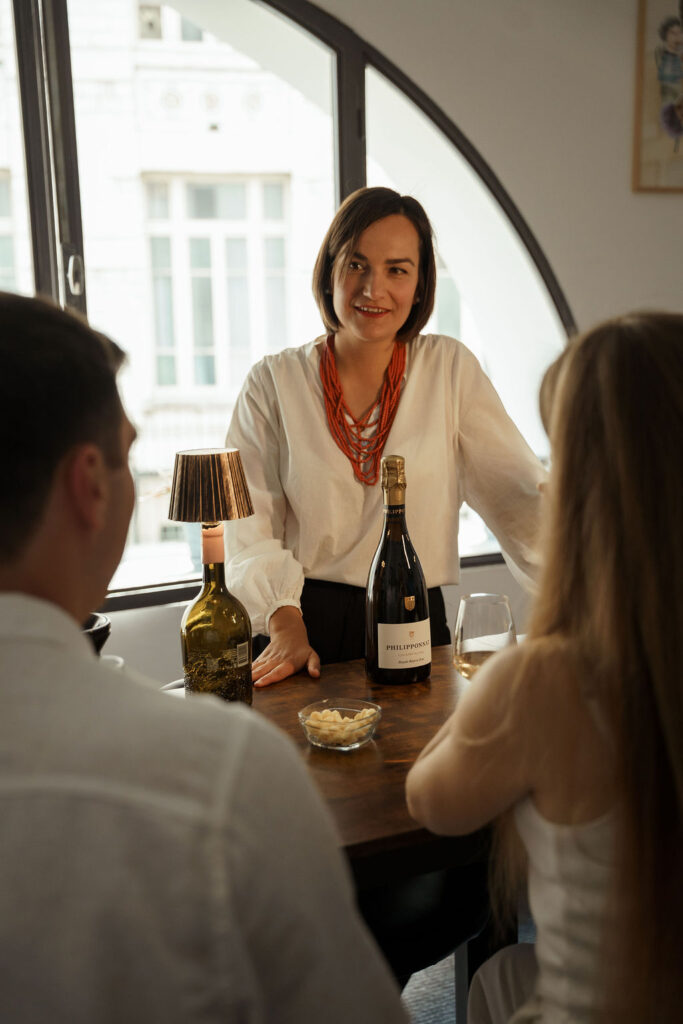
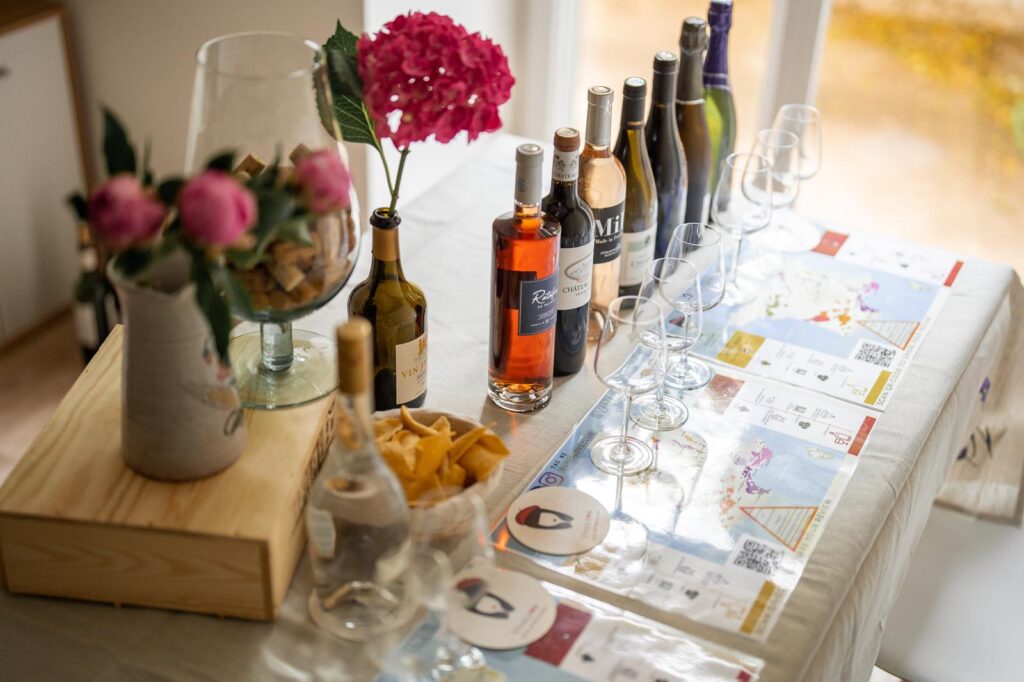
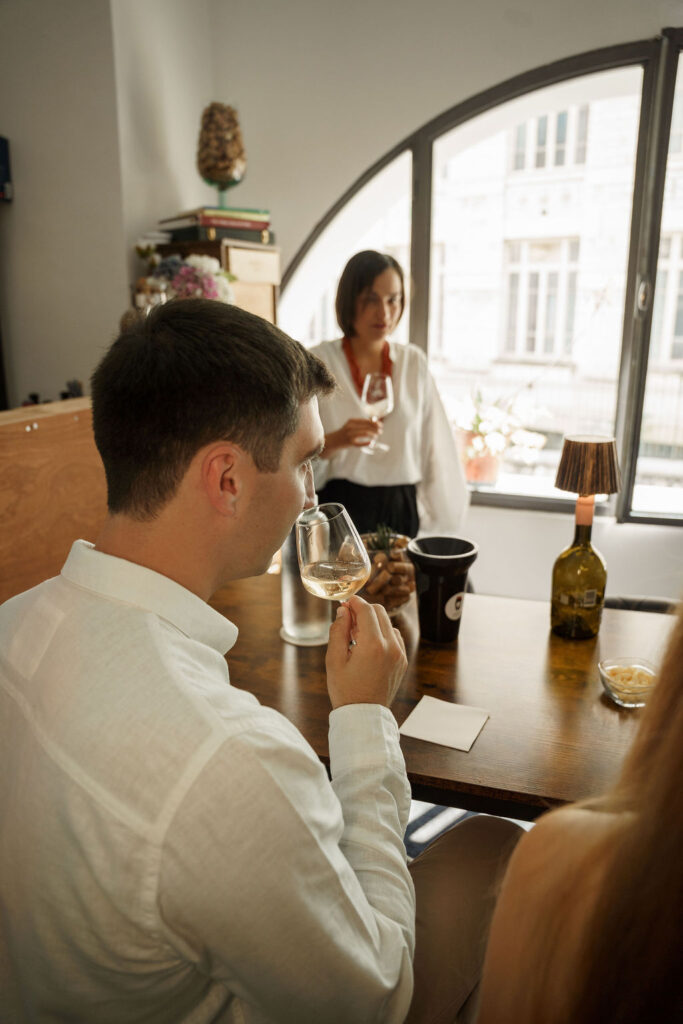
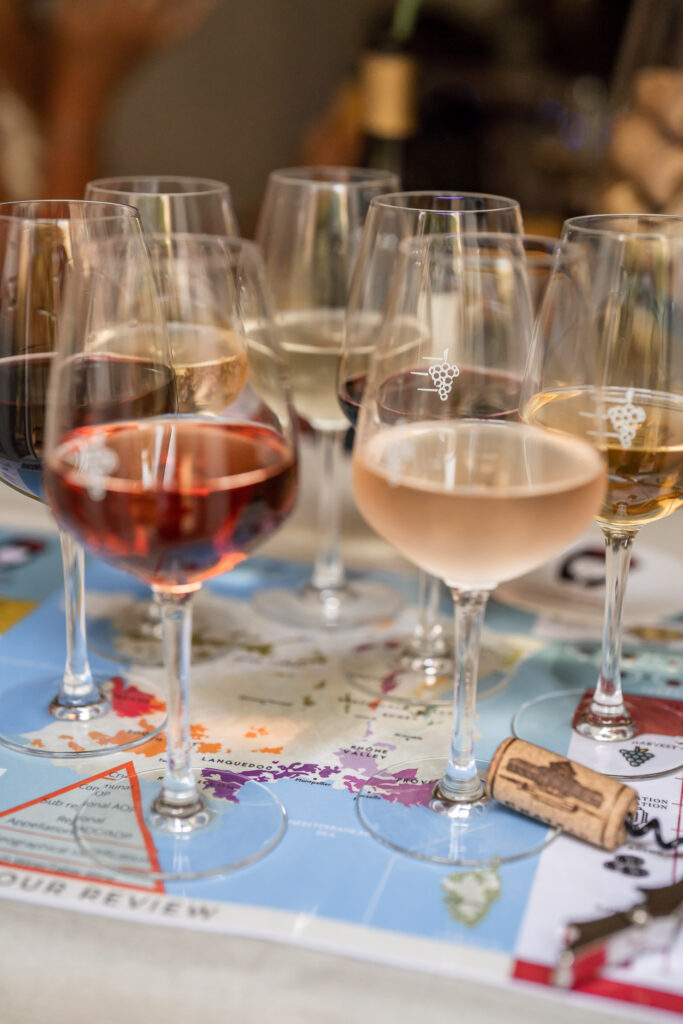
To finish, if you’re curious to taste outstanding expressions of Rolle and dive deeper into what makes this Mediterranean grape so fascinating, I host Wine Tasting Classes in the city centre of Nice, where you can discover some exceptional bottles from Bellet, Corsica and beyond. It’s a perfect opportunity to explore the grape’s vibrant style, understand its terroirs, and enjoy a relaxed moment of learning. And of course, we don’t taste only Rolle — our classes are also a great way to discover and learn about wines from all over France, from iconic regions to hidden gems. You can book your tasting session here — we’ll be delighted to guide you through some of the finest wines available.


Cycling Through the Vines: My little Wine Journey in Alsace

Alsace wine route trip

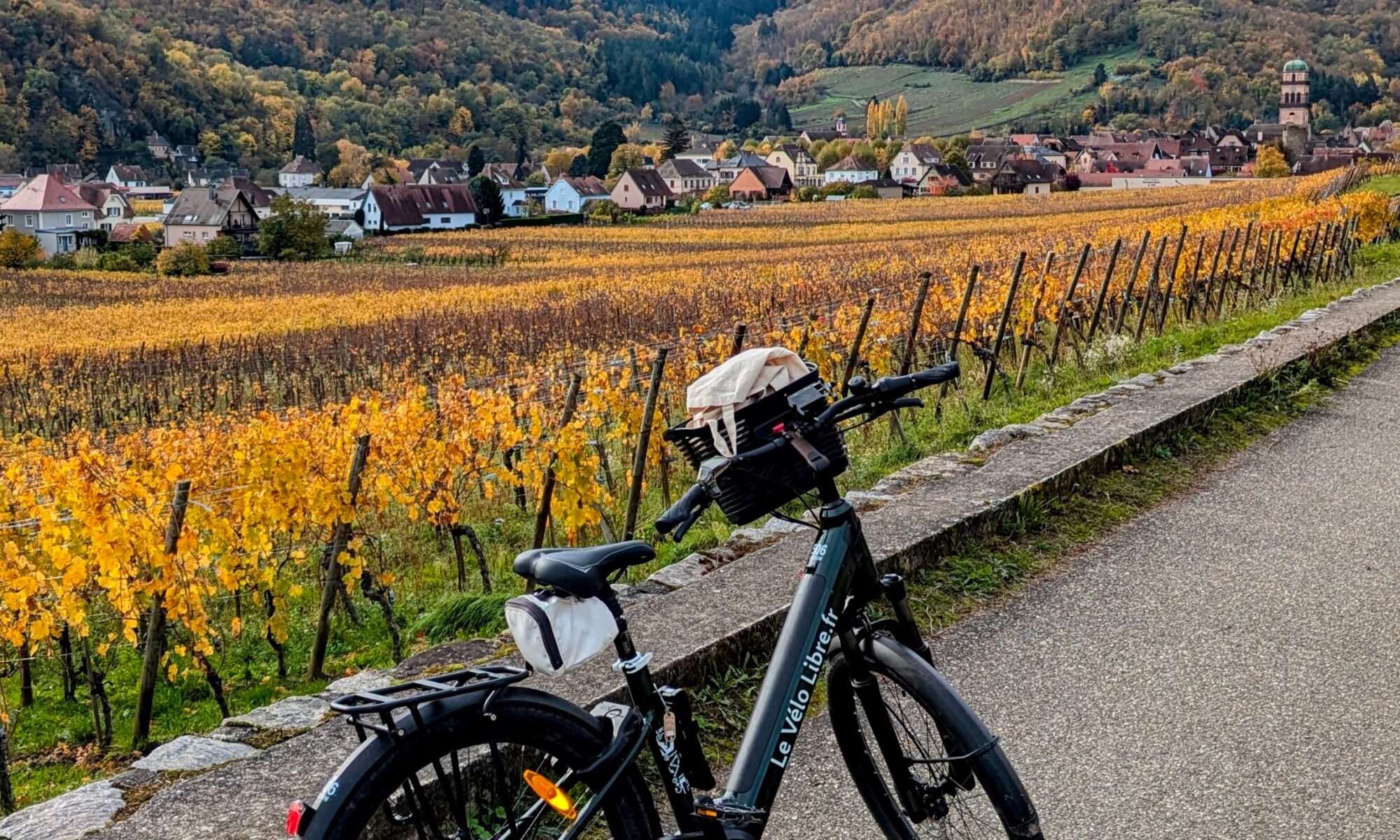
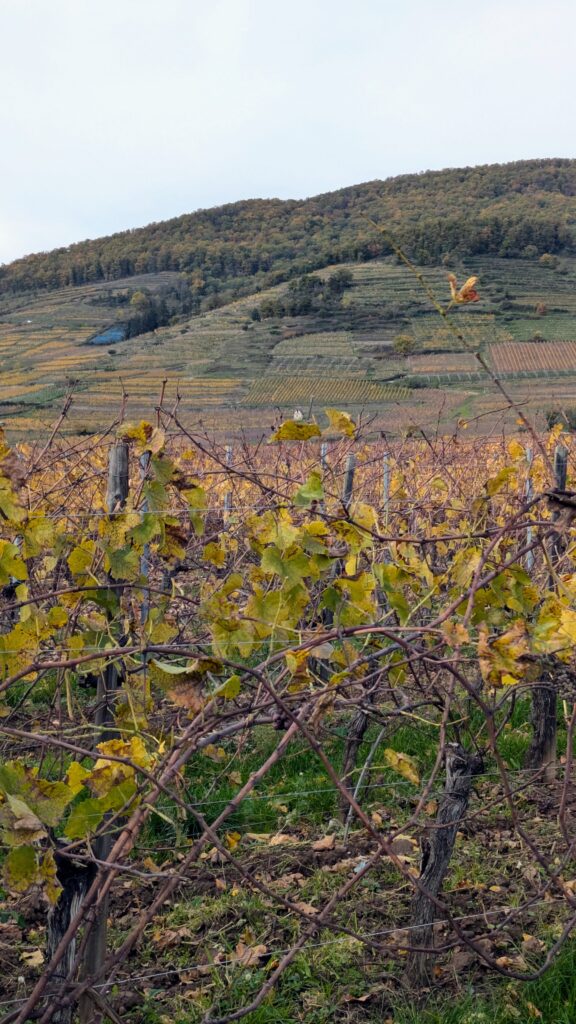
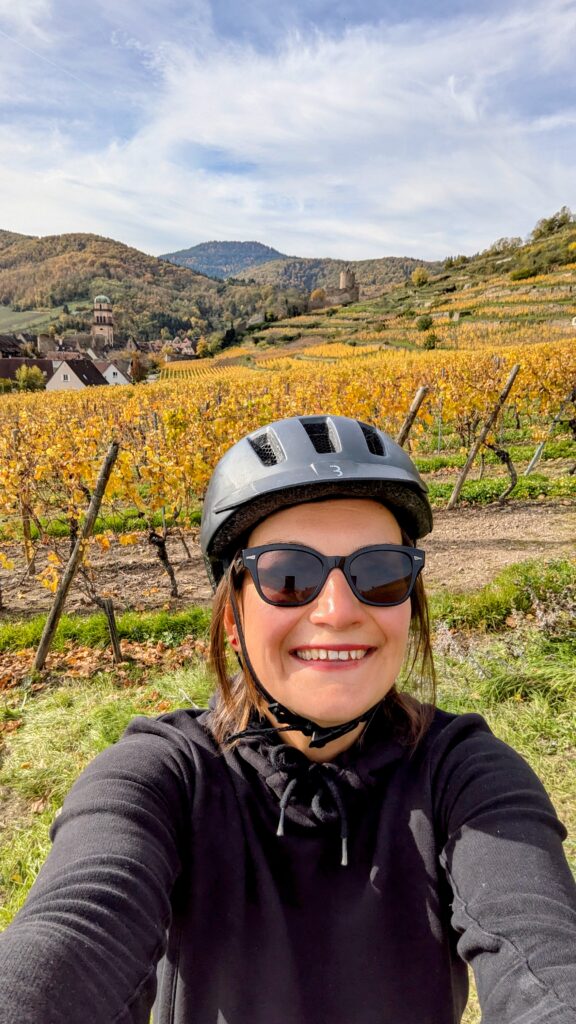
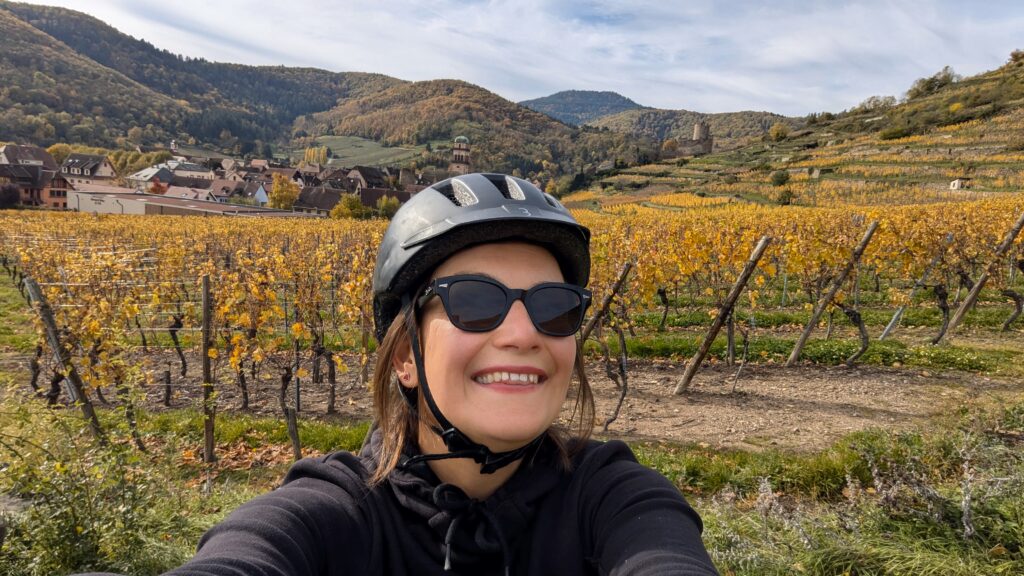
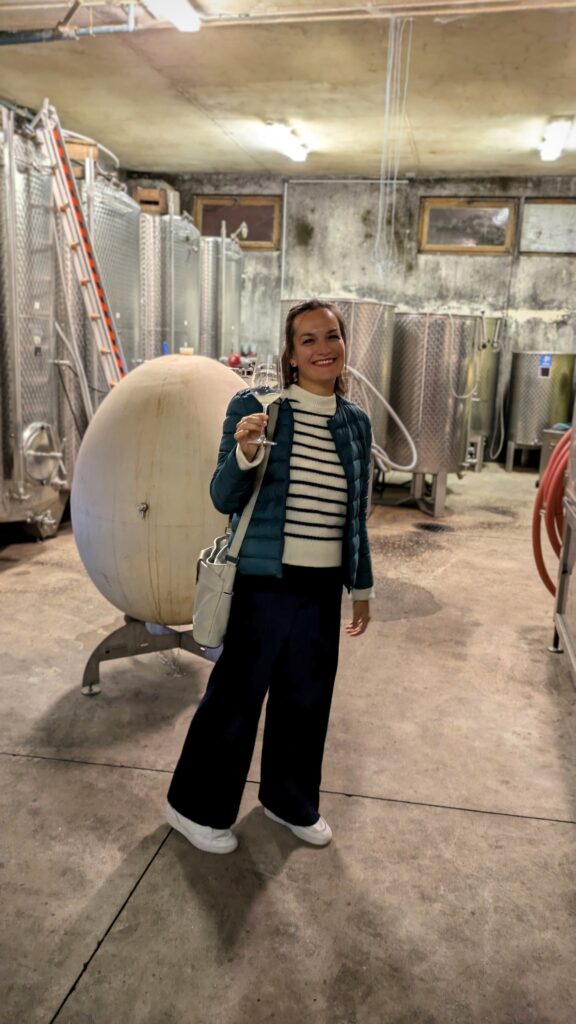
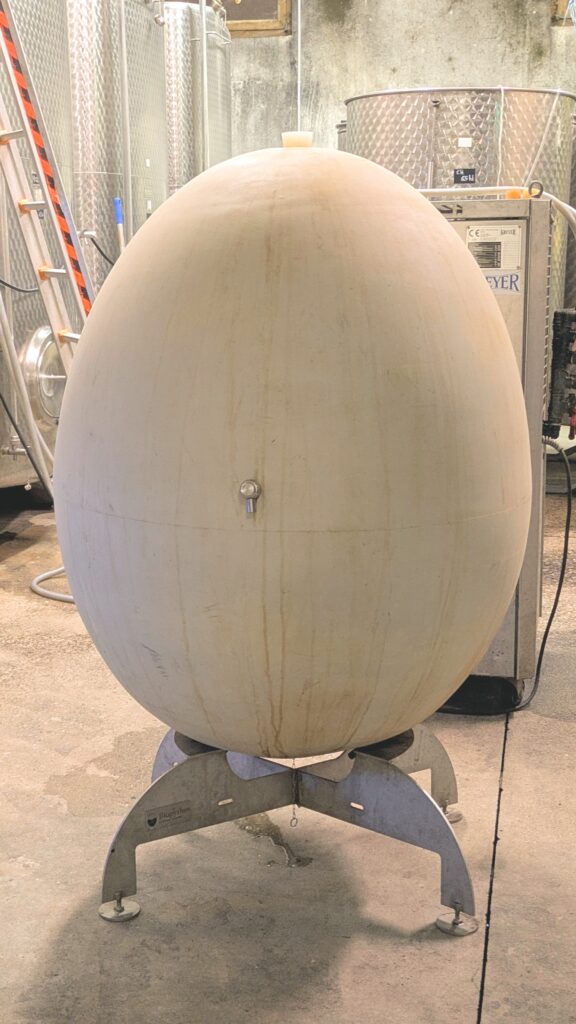
Some places capture your heart not just through their landscapes, but through the way they taste. Alsace, with its ribbon of vineyards stretched along the Route des Vins, is one of those places. I spent a few unforgettable days cycling between the region’s storybook villages, meeting passionate winemakers, and discovering wines of astonishing character and diversity. From bone-dry Rieslings to fragrant orange wines, Alsace revealed itself as a land where history, terroir, and human craftsmanship come together in a glass. Here are some of my impressions, discoveries, and delightful surprises from this magical wine route.

Riesling: The Eternal Star of Alsace

If Alsace had a single ambassador grape, it would be Riesling — and I must confess, it’s currently my wine crush. I often hear people say they don’t like Riesling. My answer? You haven’t found your Riesling yet.
This grape is a true chameleon: from bone-dry and razor-sharp to lusciously sweet and honeyed, it expresses every shade of balance between sugar and acidity. In Alsace, Riesling isn’t just a wine; it’s a lesson in contrast and precision — a dance between clarity and depth, power and finesse. Each sip feels like sunlight captured in crystal.

The Route des Vins: Cycling Through a Living Postcard

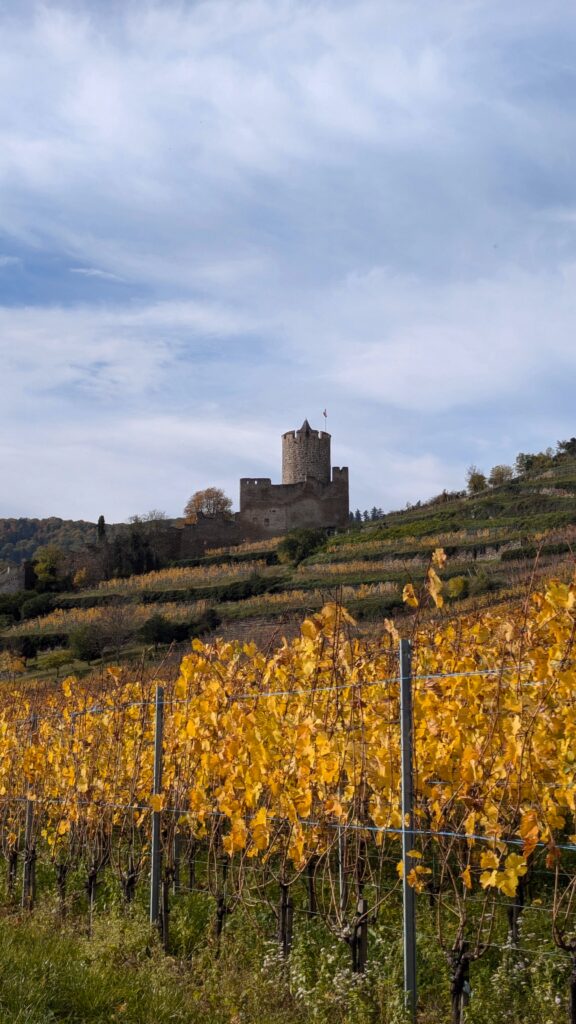
The Route des Vins d’Alsace is more than a scenic drive (or in my case, a glorious bike ride) — it’s an open-air museum of viticulture and architecture. Vineyards climb steep hillsides, while below lie perfectly preserved medieval villages, each one lovingly maintained and blooming with flowers.
What truly surprised me was how immaculate everything is, considering the region’s turbulent history. Alsace has changed hands between France and Germany several times over the centuries, yet it has emerged with its heritage intact — and perhaps even more beautiful for it. (Had Russians been involved, I suspect the story might have ended quite differently!)

Red Renaissance: Pinot Noir Takes the Stage

Traditionally, Alsace has been a white wine country, but the reds are now catching up — thanks to climate change and innovative winemaking. Pinot Noir is thriving here, often made using vendange entière, where whole bunches (including stems) are pressed. This method requires perfectly ripe grapes; otherwise, the stems can add harsh tannins. The reward is a red wine that’s perfumed, structured, and complex.
Some winemakers are even experimenting with Syrah — imagine that in Alsace! It’s a bold step for a region known for whites, but one that shows Alsace’s spirit of quiet innovation.

One Producer, Many Stories

Visiting an Alsace winery is like stepping into a microcosm of the entire region. A single producer can easily make twenty or more different wines — from various grape varieties, vineyard sites, and sweetness levels.
This incredible diversity reflects the patchwork of Alsace’s terroir: every slope, every parcel tells a different story. It’s both thrilling and slightly overwhelming, but it also means there’s always something new to discover.

The Quiet Revolution: Toward a Premier Cru System

The word on everyone’s lips in Alsace right now is “Premier Cru.” While the classification has not yet been formally approved, the region has effectively developed its own hierarchy: from Alsace AOP, to communal or village wines, to lieu-dits, and finally Grands Crus.
The only problem? The labels can look confusingly similar, with the key details often hiding in small print on the back. Still, the growing recognition of terroir quality is a real step forward.

The Noble Quartet

Alsace’s reputation for white wine rests mainly on its noble grapes: Riesling, Pinot Gris, Gewürztraminer, and Muscat.
Each brings something unique — Riesling’s purity, Pinot Gris’s depth, Gewürztraminer’s exotic perfume, and Muscat’s joyful fruitiness. Muscat can be inconsistent, yes, but at its best, it’s like biting into a sun-warmed grape. Together, they form the core of what makes Alsace so distinctive in the world of wine.

Grand Cru: Greatness and Debate

Most villages along the Route des Vins boast one Grand Cru vineyard, often the steepest slope nearby. This was born from a French spirit of liberté, égalité, fraternité — every village deserved its star.
Yet, today, the Grand Cru system is under debate. There are too many sites, and not all are of equal quality. With climate change shifting ripeness and balance, some top producers now choose to bottle their finest wines from exceptional plots without using the Grand Cru name. In Alsace, reputation is increasingly built not just on terroir, but on the producer’s skill and integrity.

The Power of Vintage

Vintage matters deeply in Alsace, perhaps more than in many other regions. Because styles vary from bone-dry to richly sweet, the weather’s influence is magnified.
Warm years produce opulent, fruit-driven wines; cooler, more “classical” vintages deliver freshness and higher acidity — ideal for purists like me. Each vintage offers something for every palate.
Sadly, 2025 will see no botrytized dessert wines, as noble rot didn’t develop this year — a reminder that nature always has the final say.

The Pressing Lesson: A Personal Discovery

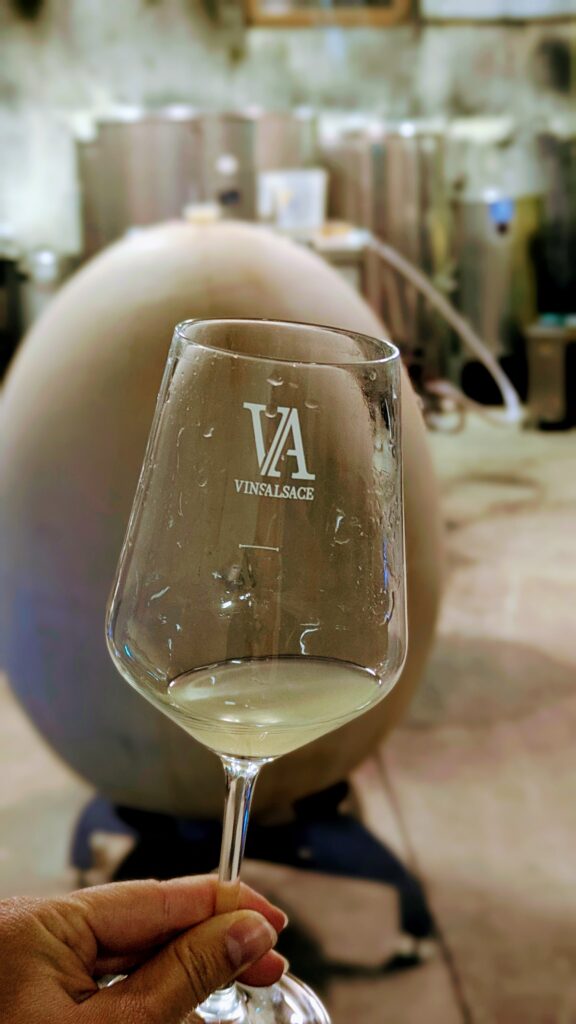
At domaine Huntz-Schaeffer, I had the rare chance to taste two wines made from the same parcel and grape, with only one difference — the length of pressing.
The first, a quick press of destemmed grapes, was light and subtle. The second, a long press of whole bunches, revealed stunning aromatics and richer texture. It was a revelation: such a small change in technique can completely transform a wine. A true “aha” moment for any wine lover!

New Grapes, New Surprises

Alsace is not standing still. I tasted a Sylvaner aged in oak, and it was one of the most surprising and delightful wines of my trip. Blind, I’d never have guessed it was Alsace Sylvaner — it had depth, complexity, and a sense of quiet confidence.
I can’t wait to share this bottle at my next wine tasting class — proof that Alsace’s potential still has new chapters to write.

Orange Wines: Aromatic, Dry, and Full of Soul

Given Alsace’s wealth of aromatic varieties, it’s no wonder the orange wines here are so compelling. Usually dry, textured, and gastronomic, they bring together the perfume of classic whites with the structure of reds.
These are wines with personality — rich, smooth, and beautifully food-friendly. I already have a few in my collection, waiting to shine at our next Tour de France tasting in Nice!

A Land That Stays With You

Cycling through Alsace, I felt that rare connection between place, people, and product — where every vineyard, every village, and every glass tells part of a living story.
Alsace is a region that doesn’t shout; it sings — softly, in harmony, and always with grace. Whether you’re chasing Riesling’s brilliance, exploring new reds, or discovering a hidden Sylvaner, one thing is certain: Alsace will charm you, sip by sip.

What are Grower Champagnes and how do they differ from the Big Champagne House

Champagne tasting

What is Grower Champagne?

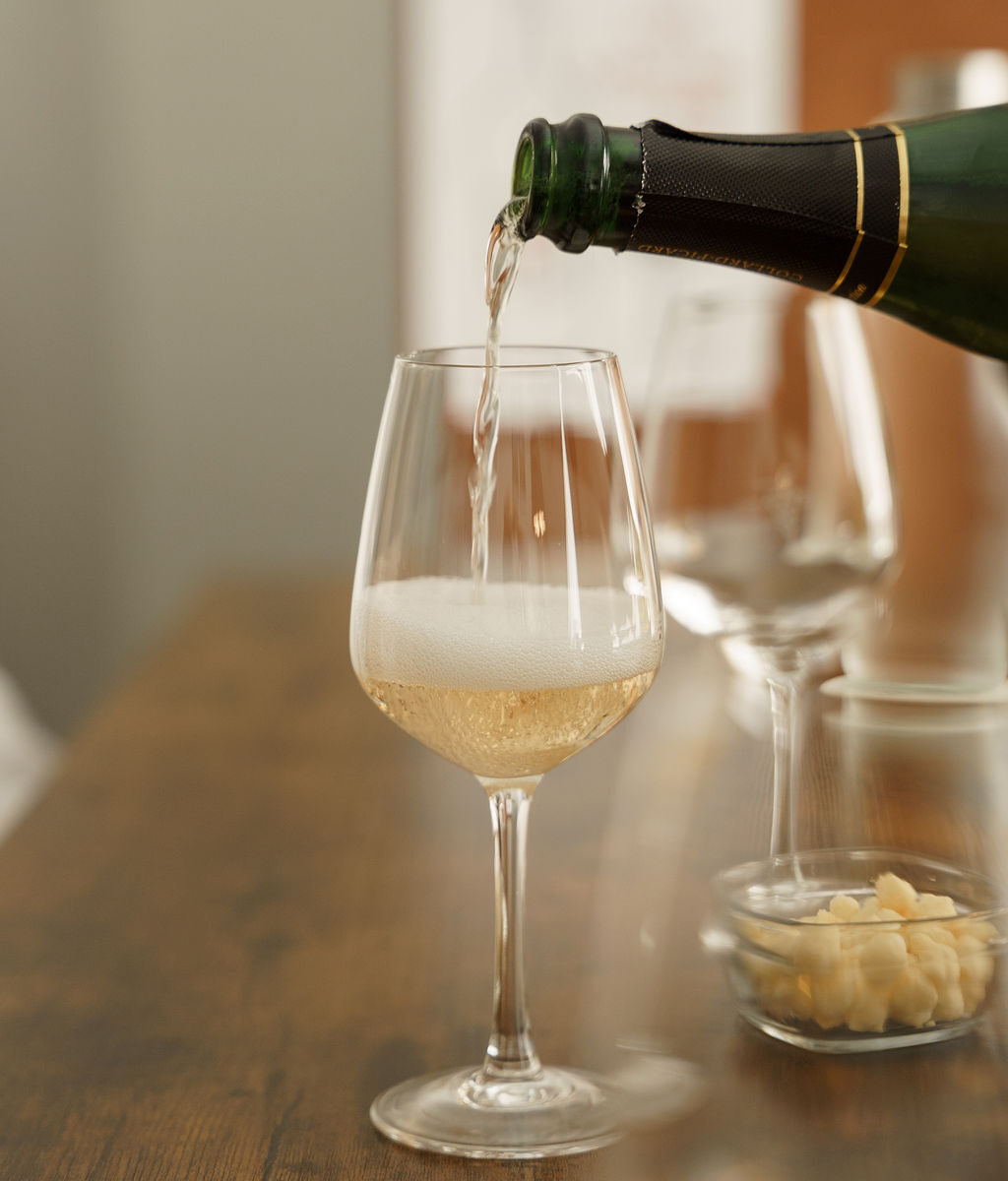
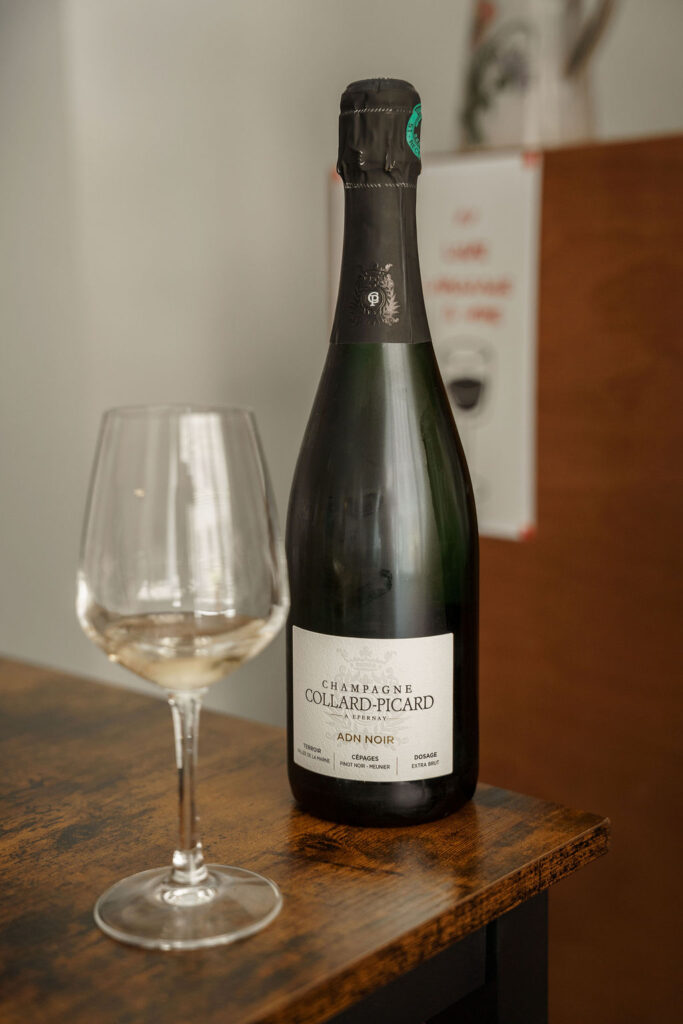
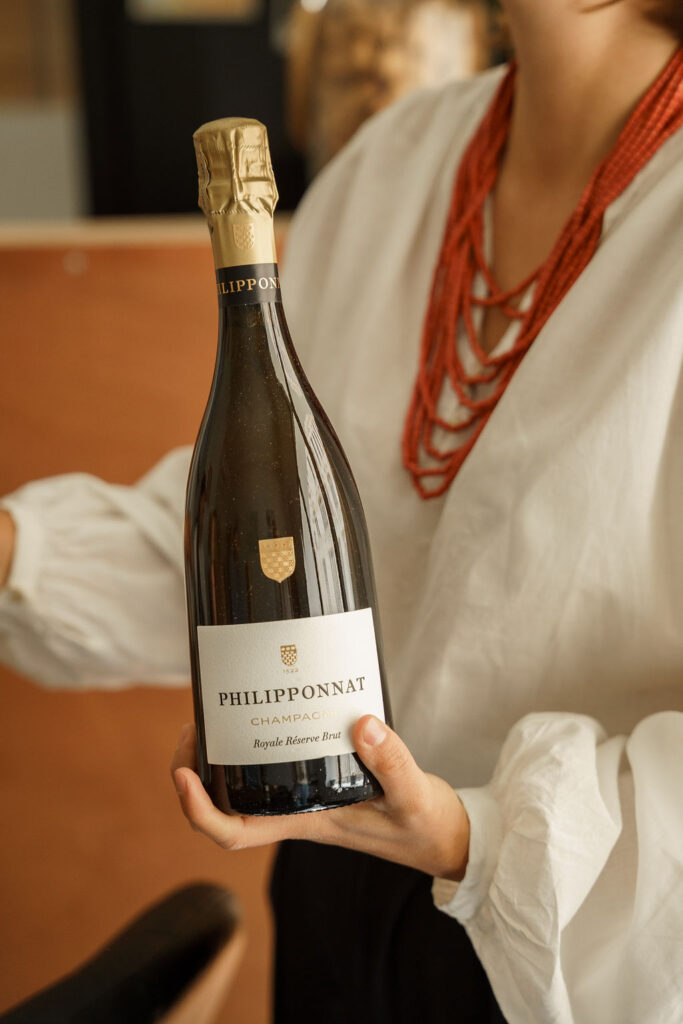
Grower Champagne is produced by individuals or families who cultivate their own grapes and oversee the entire winemaking process. Out of more than 16,200 growers in Champagne, fewer than 5,000 produce their own Champagne with grapes they cultivate on their own land. These small, family-run businesses craft wines in limited quantities, often employing methods passed down through generations. Their approach emphasises the unique characteristics of their specific terroir, resulting in wines that are more intimate and expressive of their origin.

Key differences

Production Scale: Big houses operate on a large scale, producing vast quantities of Champagne, while grower-producers focus on small-batch production.

Grape Sourcing: Big houses source grapes from various vineyards, aiming for consistency, whereas grower Champagnes are made from grapes grown on the producer’s own land, highlighting specific terroirs.

Wine Style: Big houses blend wines to achieve a consistent flavour profile year after year. In contrast, grower Champagnes reflect the nuances of each vintage and vineyard, offering a more diverse tasting experience.

Availability: Big-house Champagnes are widely available globally, while grower Champagnes are less common and may require specialised retailers to purchase.

How to recognise a Grower Champagne?

French wine tasting in Nice

To determine the type of Champagne producer, examine the two-letter code on the wine label:


RM (Récoltant-Manipulant): Indicates a grower-producer who makes Champagne from their own grapes.

Is Grower Champagne better than Big House Champagne?

Not necessarily better, just different. It depends on what you’re looking for. While Grower Champagne is certainly more artisanal, it’s not necessarily better than Maison Champagnes; this is a matter of personal preference, taste and occasion.

French best wines tasting

● Choose Big House Champagne if you value reliability, accessibility, and brand recognition.

● Choose Grower Champagne if you’re into artisanal production, terroir expression, and exploring diverse styles.

You can learn more about Champagne and other types of French sparkling wines at our wine tasting classes, like:


Wine Tasting: Tour de France

Introduction to Wine Tasting: Petit Tour de France

Fine Wine Tasting: Tour de France Deluxe


Whether you’re just getting into wine or are a more advanced taster, you’re bound to find new and exciting wines alongside expertly delivered information in an informal and convivial environment.

(C) Carlo Pavia

Why you should be drinking Beaujolais wines?

Beaujolais wines

There’s a lot of discussion about red wine consumption trends and how in many countries the tendency is on the decline, perhaps a lot of these wines have lost their appeal due to consumer behaviours and preferences.
It’s no surprise that many regions of the world have been getting warmer over the past few years giving other styles of wine more popularity such as whites, rosés and sparkling
wines.
Another reason could be that younger generations are eating fewer red meats and animal proteins overall, historically the premier food pairing for red wines.

But surely there must be other styles of red wines that fit today’s wants and needs right?

This is where Beaujolais wines come into the picture, these fruit-forward, low alcohol and low astringency wines made from the Gamay grape variety are the perfect alternative to the more traditional heavier red wine styles of the past.

Beaujolais wines

Preferably served slightly chilled, this is one, if not, the best red wine of the summer, with medium-high acidity, fresh red fruits, and almost no drying sensation, Beaujolais wines are perfect to bring to a picnic, beach day, or backyard grill.

Traditionally Beaujolais wines have been fermented via semi-carbonic maceration, which is a process that makes the wines gain unmistakable notes of cherries, raspberries, candied fruits, banana and even bubblegum.

Beaujolais Nouveau

This style is very common in Beaujolais Nouveau wines, which are the first to be released into the market and are meant to be consumed by very young, these wines are great for a casual drink at home or with friends and can be easily paired with most snacks and tapas, as well as charcuterie boards.

While it’s true that at some point in the past, the great popularity of Beaujolais wines made the region produce a large amount of less than stellar quality wine to appeal to the masses, nevertheless in the last 2 decades the focus has shifted to a more quality-driven approach.

Читать далее «Why you should be drinking Beaujolais wines?»

Team Building in Nice : Wine Tasting

wine tasting in nice

Are you looking for a unique way to strengthen your team’s collaboration, boost morale and enhance engagement?

Let me be your trusted sommelier alongside my offers adapted to your needs and preferences, and create turnkey solutions for your workshops, team-building activities, events or wine tours between colleagues.

Why choose VinoLove Club?

Convenient location: Host your event in a spacious, cosy and well-equipped tasting room in the centre of Nice (it can be held at your location as well).

Entertaining & educational: I do my best to make you feel welcome and make the tasting fun and interesting.

Stress free: Let me take care of all the logistics involved and fulfil all your corporate needs by maintaining reliable and constant communication.

Our Wine Tastings and Tours for your teambuilding

taste french wines

Private Wine Tasting: Taste 7-8 wines from regional tastings to varietal comparisons, you will get a customized wine-tasting experience that is sure to be memorable.

Private Vineyard Tour: Conveniently located on the outskirts of Nice and easily accessible through various means of transportation, this vineyard tour overlooking the breathtaking Mediterranean Sea and the majestic Alps will surely be an unforgettable experience.

sardinia
food tour in Nice

Private Gourmet Walking Tour: Experience the city like a true local with this breathtaking tour where you will learn about the history and traditions of Nice and taste 20+ local specialities at artisanal boutiques, market, and hidden culinary gems.

How to book wine tasting or tour in Nice for your team

Contact me now to discuss your private group wine-tasting needs, and let me help you create an unforgettable experience for you and your group.

Sardinia, an emerald of the Mediterranean

sardinia

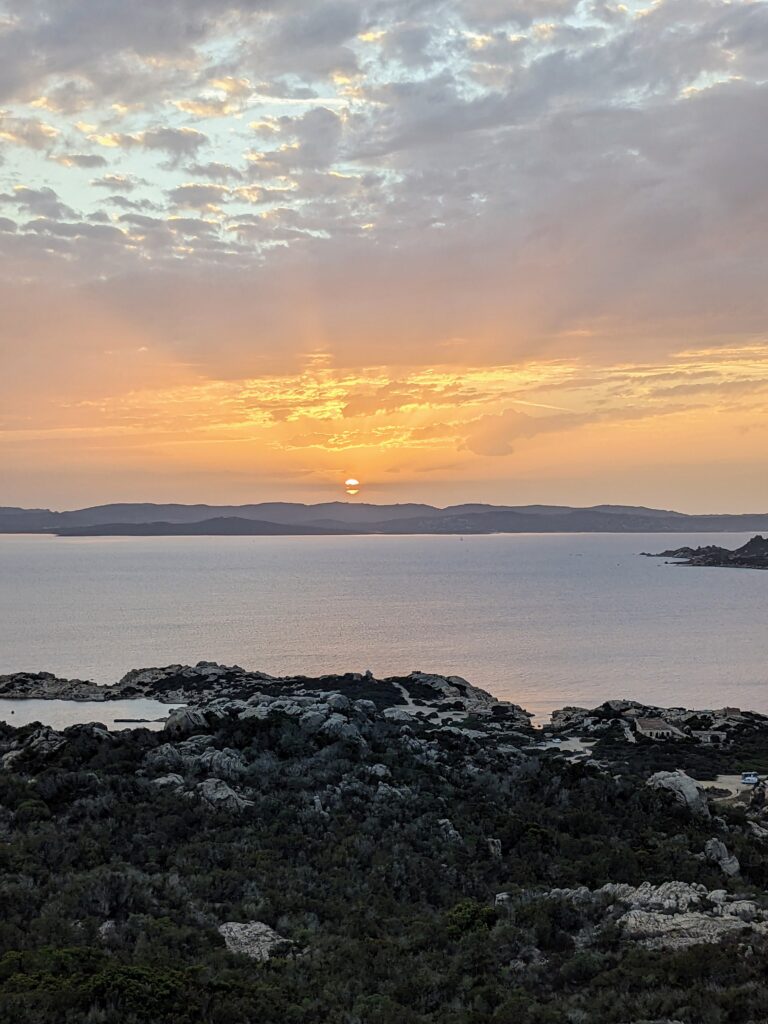
Living on the French Riviera it seems that one can hardly be surprised by the beauty of the Mediterranean coast, but Sardinia managed to do it, and this island has a special place of very warm memories in my heart. The island is not heavily populated, and therefore the beauty of the coast and azure water is felt here even more effectively and more peacefully.

Sardinia

Of course, on an Italian island in the Mediterranean, there should be wine. Sardinia has a long history of winemaking and supplied wine to ancient Rome. For centuries, the island was ruled by Aragon, and therefore many grape varieties are of Spanish origin. For example, the most common red variety, Cannonau, is a local form of the Spanish Garnacha, which you may also know by its French name, Grenache. Bovale Grande and Bovale Sardo also have Spanish roots.

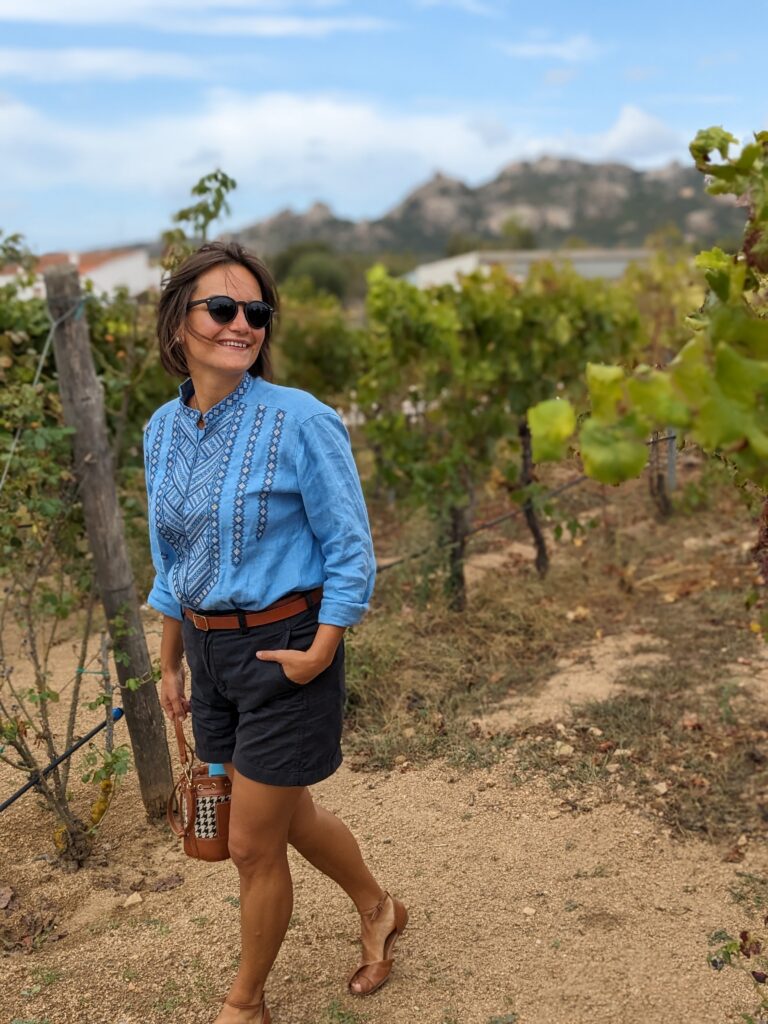
The main white variety is the Mediterranean Vermentino. The same one that is called Rolle in France and is the main white wine from Nice that we taste on my vineyard tours. Appellation Bellet in Nice boasts one of the most elegant wines of this variety in France. But the best place for Vermentino in Sardinia is in the Gallura region, located in the rocky and arid northwest of the island. The Mediterranean heat together with the sea winds makes the Vermentino from this terroir extremely concentrated. Vermentino di Gallura became the first DOCG on the island.

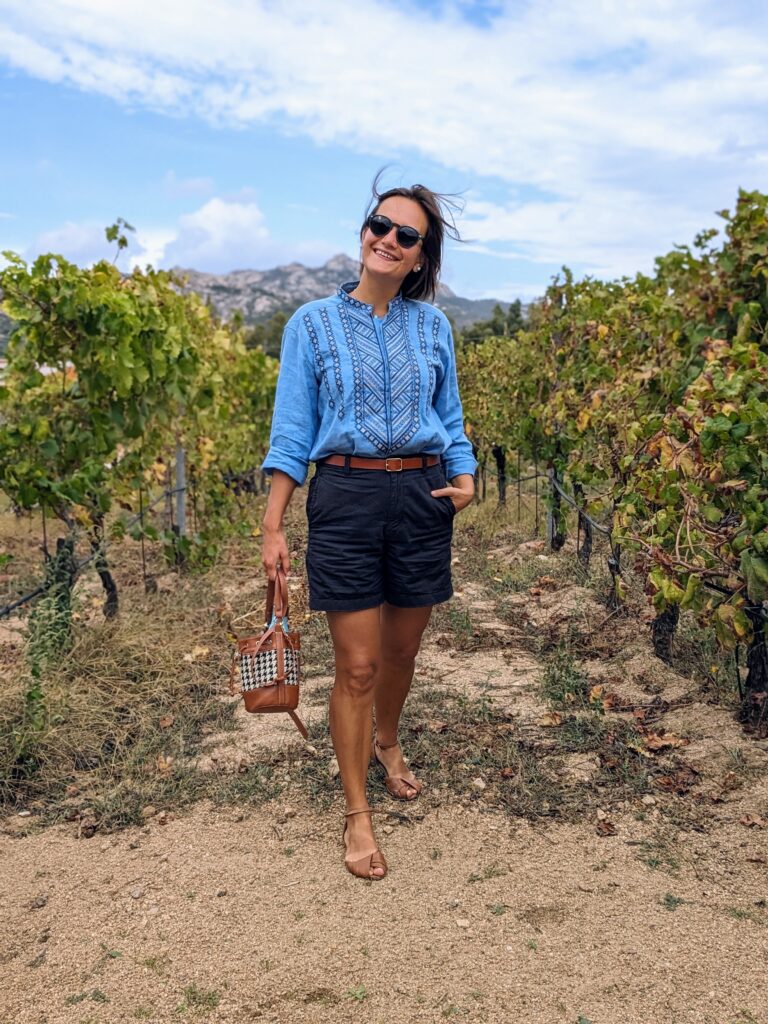
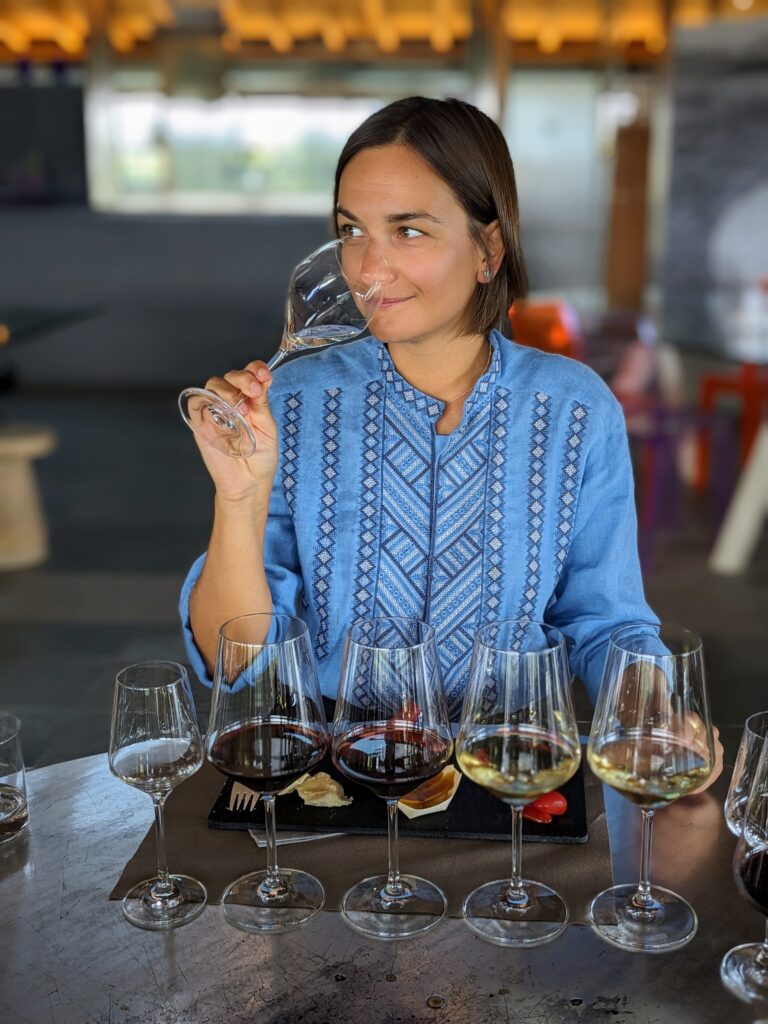
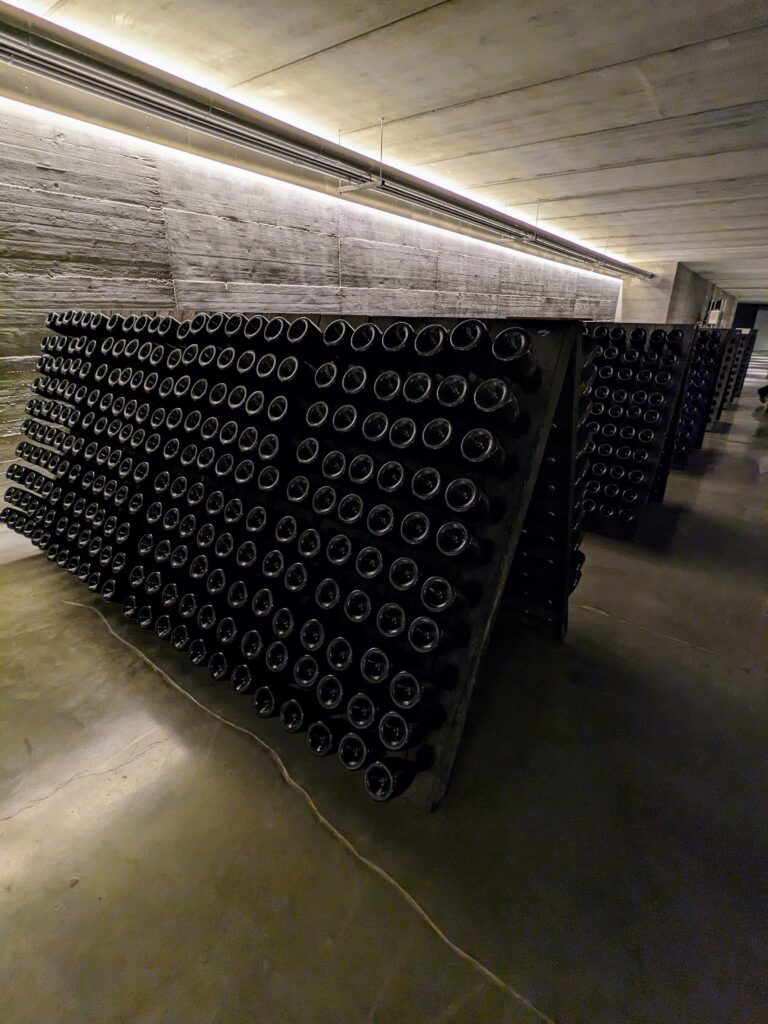
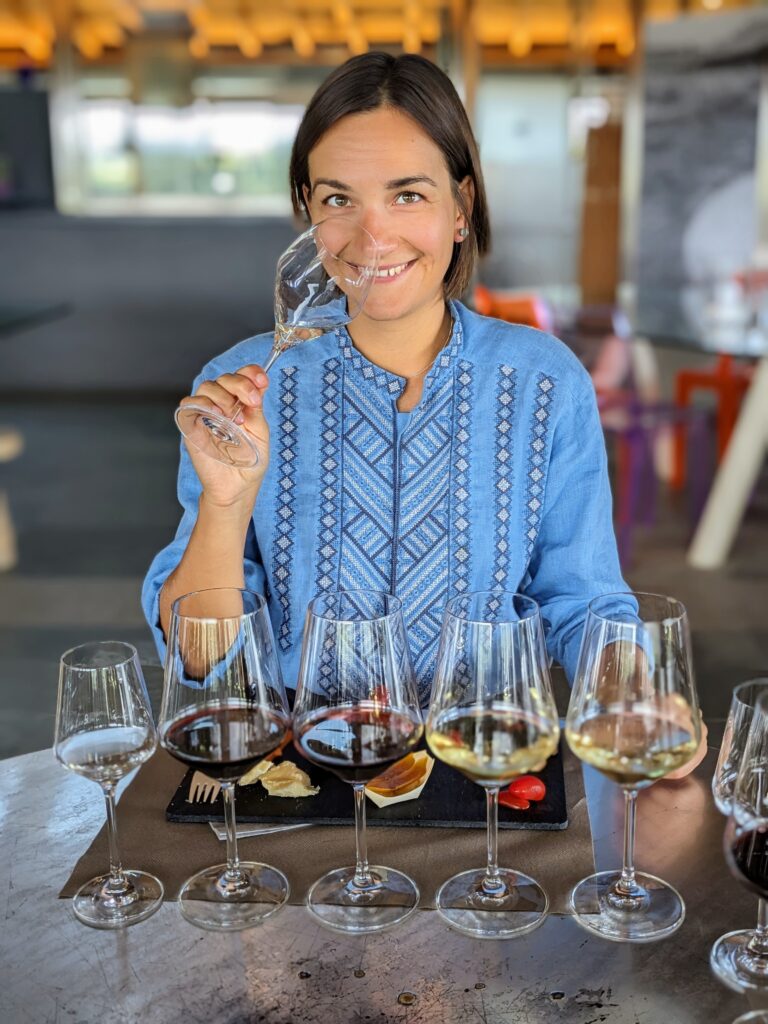
I highly recommend visiting Surrau winery located in the Gallura area. They make exceptionally balanced and full-bodied white wines from Vermentino, unexpectedly elegant Cannonau reds, and a Super Sardinian Blend from Cannonau, Cabernet Sauvignon and Syrah. Their rosé is very nice, in the style of Provence. There are also sparkling and sweet wines. But their tasting room with its stylish design and cosy atmosphere deserves special attention.

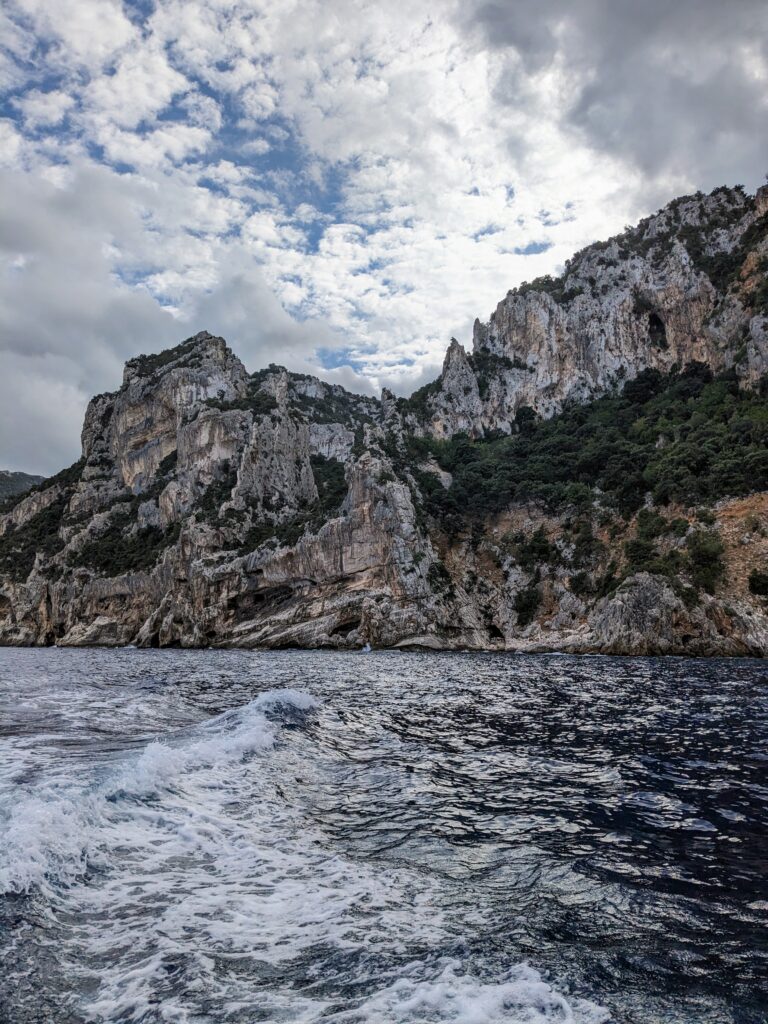
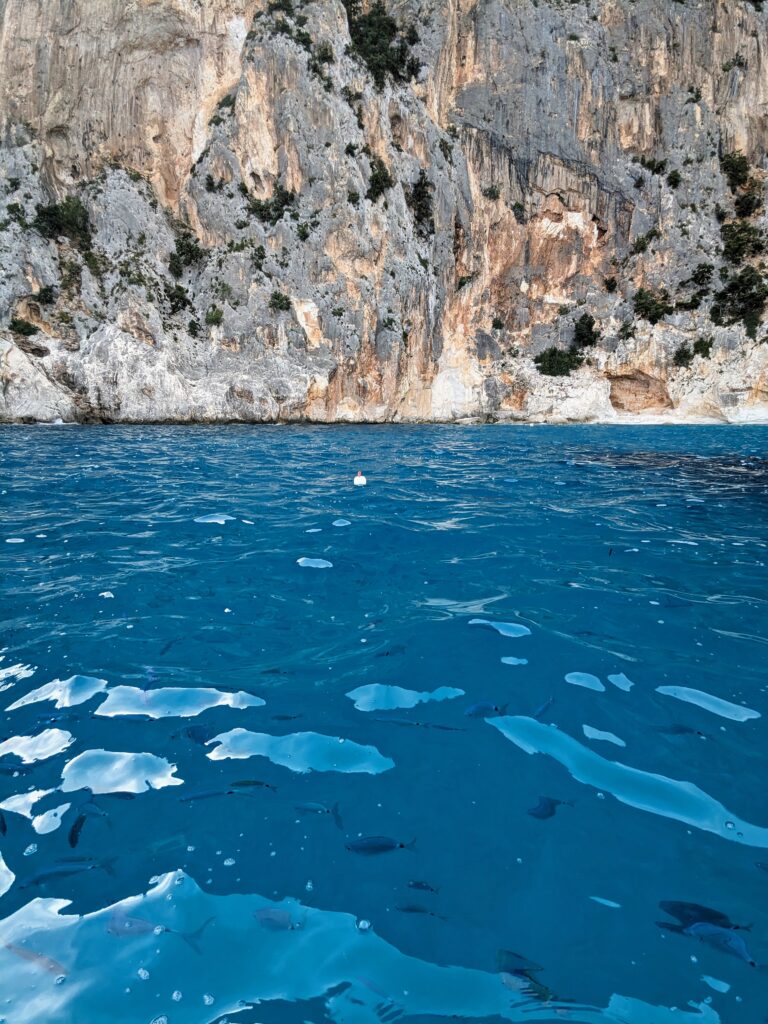
Sardinia has 1,850 kilometres of coastline, and the coast is incredibly beautiful. Cut by bays and cliffs, it sparkles with its azure water. I swear it is clearer and more turquoise here than even the French Riviera. Unfortunately, there was no time to go around the entire coast, but I recommend the variety of small beaches on the island of Maddalena the most. The island is very easy to get to by ferry from Palau. Then we just drove along the coast and stopped at small beaches or viewpoints. And each subsequent beach enchanted us even more. The water is warm and tender even in the middle of October, you want to swim without stopping.

We also took a boat trip from Cala Gonone port along the east coast of the island. This coast is closer to the mountains and it is impossible to get to it by land. Hinged sheds are 400 meters high. Therefore, many beautiful beaches and mystical grottoes can only be reached by boat. The trip is very beautiful, but as advised by our skipper, you should avoid this area in July and August, when all Sardinian tourists want to visit the same secret small and difficult-to-reach beach, and therefore hundreds of people are there at the same time.

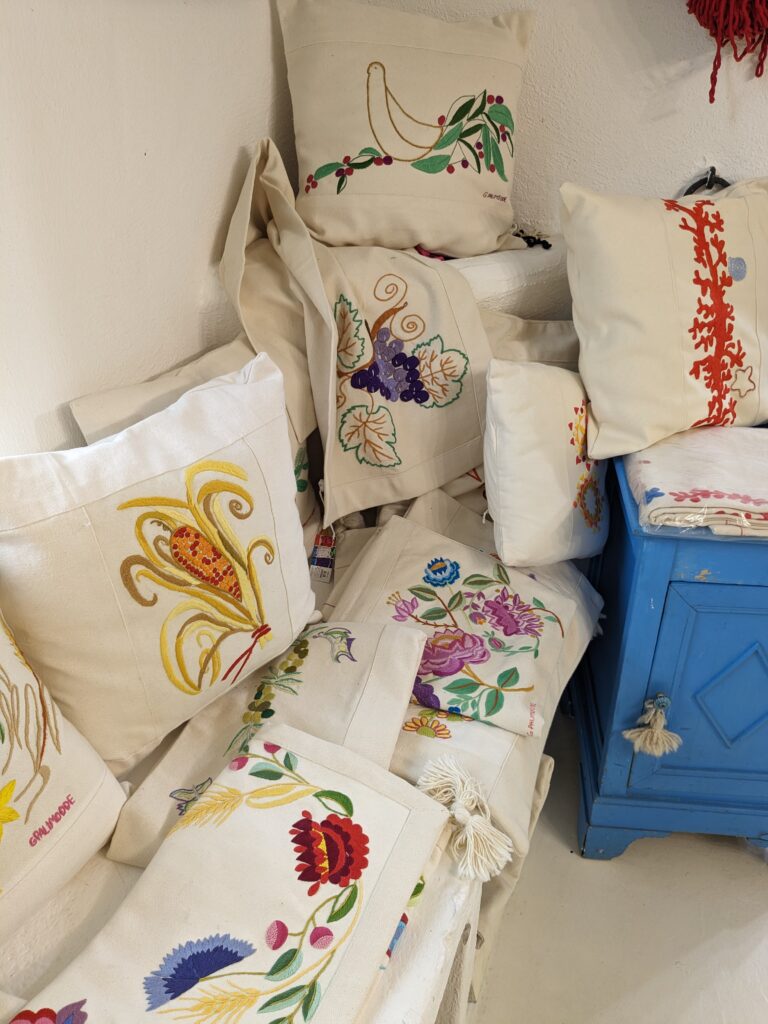
Sardinia is an island with a very ancient and rich culture. I was very impressed by their decorative art and its similarity to Ukrainian. We stayed at the Su Gologone Hotel, a luxury hotel complex that is an ethnic resort. Swimming pool, spa, restaurant, bar, shop, workshops, master classes, all dedicated to local ethnic art. Everything is decorated with local decorative art. And it was very informative, very authentic and very beautiful and thoughtful. I would like to see such a modern but authentic hotel complex in my homeland.

Sardinia definitely deserves to go back and explore it better! Until then, see you soon, I hope.

Top
English
Français English
Wine Tasting in Nice