
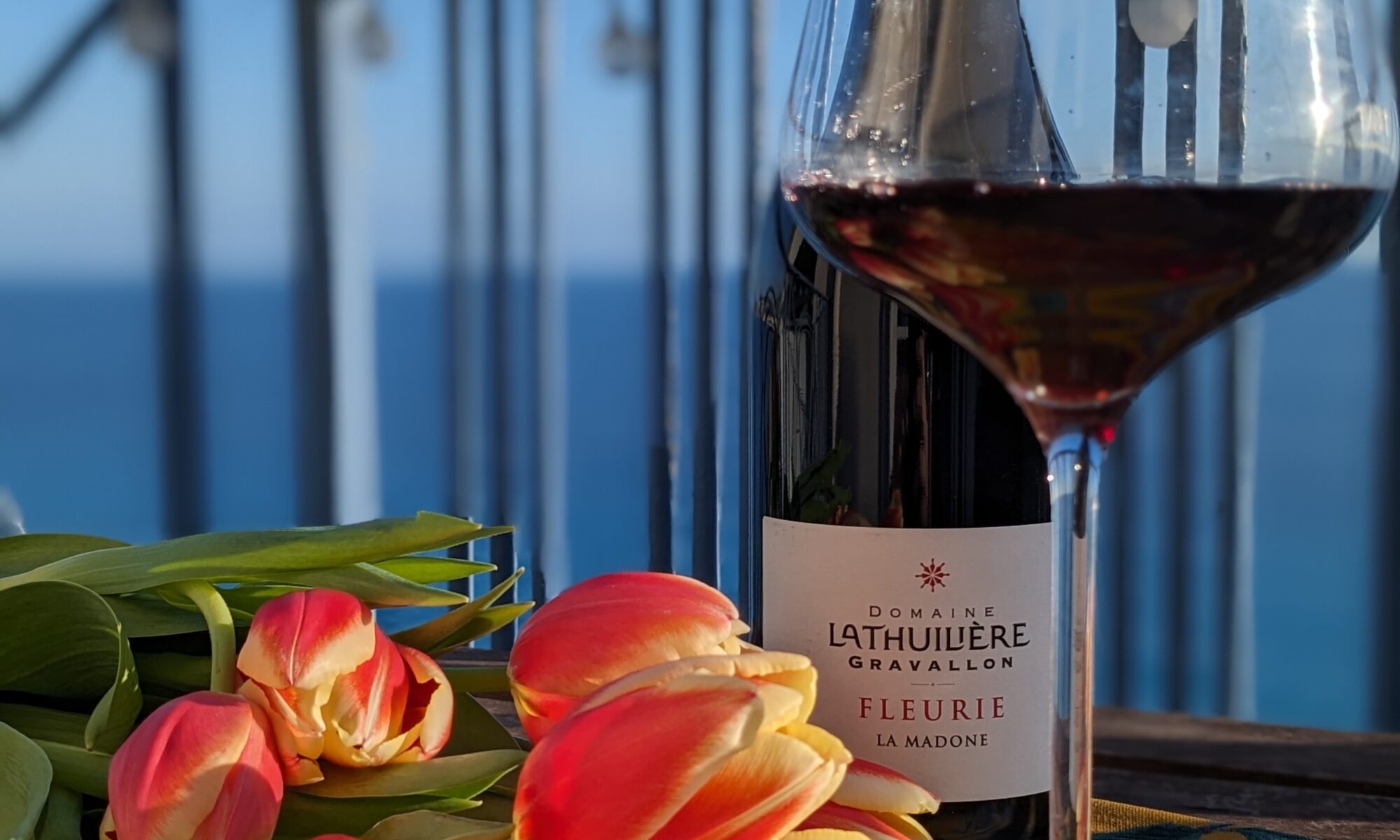
There’s a lot of discussion about red wine consumption trends and how in many countries the tendency is on the decline, perhaps a lot of these wines have lost their appeal due to consumer behaviours and preferences.
It’s no surprise that many regions of the world have been getting warmer over the past few years giving other styles of wine more popularity such as whites, rosés and sparkling
wines.
Another reason could be that younger generations are eating fewer red meats and animal proteins overall, historically the premier food pairing for red wines.
But surely there must be other styles of red wines that fit today’s wants and needs right?
This is where Beaujolais wines come into the picture, these fruit-forward, low alcohol and low astringency wines made from the Gamay grape variety are the perfect alternative to the more traditional heavier red wine styles of the past.

Preferably served slightly chilled, this is one, if not, the best red wine of the summer, with medium-high acidity, fresh red fruits, and almost no drying sensation, Beaujolais wines are perfect to bring to a picnic, beach day, or backyard grill.
Traditionally Beaujolais wines have been fermented via semi-carbonic maceration, which is a process that makes the wines gain unmistakable notes of cherries, raspberries, candied fruits, banana and even bubblegum.
Beaujolais Nouveau
This style is very common in Beaujolais Nouveau wines, which are the first to be released into the market and are meant to be consumed by very young, these wines are great for a casual drink at home or with friends and can be easily paired with most snacks and tapas, as well as charcuterie boards.
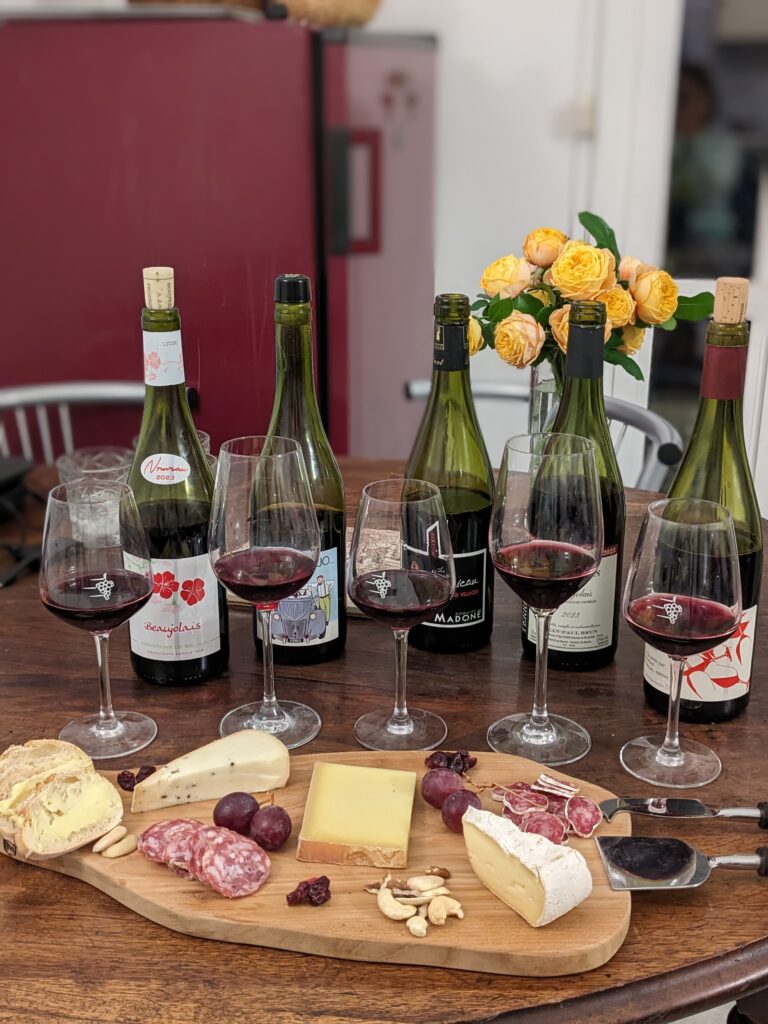
While it’s true that at some point in the past, the great popularity of Beaujolais wines made the region produce a large amount of less than stellar quality wine to appeal to the masses, nevertheless in the last 2 decades the focus has shifted to a more quality-driven approach.
The rise of “Cru Beaujolais”, a subset of specific sub-regions inside of the wider Beaujolais region, where each Cru has its own set of unique characteristics and personality, has been the latest topic of discussion among many savvy wine consumers and connoisseurs.
These Crus display Gamay’s fruit within a much more structured framework. A higher percentage of old vine fruit and longer skin contact during fermentation gives them ageing potential. The Crus represent about 40% of Beaujolais’ production.
These sub-regions tend to vinify the wines in a more traditional approach giving the wines more individual character while still preserving the freshness and elegance that made the wines so famous in the first place, here are a few examples of Cru Beaujolais appellations:
- Saint-Amour: The commune itself is very much about romance, with its statue of the legionary Saint-Amor near the church, a town hall that is the venue for many weddings. Two styles of wine are produced here: a light, fruity, floral wine that shows notes of violet and peach and a bigger, spicier version that becomes more Pinot-like with age.
- Moulin-à-Vent: Moulin-à-Vent gets its name from a local windmill. Dubbed “The King of Beaujolais,” this region’s vineyards are grown on decomposed pink granite and soft flaky quartz giving the wines a dark ruby/garnet colour, good structure and complexity. These are the most tannic and full-bodied wines of all the Cru. When they’re young you’ll notice lots of plum, cherry and violet notes, but if you can allow the wine to age up to 10 years you’ll be rewarded with more ‘Pinot’ style – dried fruits, earthy truffles, meat and spice.
- Fleurie: This is “The Queen of Beaujolais.” The vineyards are planted at a higher altitude on steep slopes. The wines are lighter in style and highly aromatic with a ’feminine’ quality. Think roses, iris and violet along with some ripe red fruits and peaches.

- Morgon: The Morgon Cru, is the largest of the Beaujolais Crus. If there is one Beaujolais appellation that you’ll often find in cellars, it’s Morgon. Tending towards excellence, the potential for ageing of this rich, powerful wine is about ten years. Morgon wines do the whole Beaujolais region honour by enhancing the intense nature of the terroir, thanks to their bouquet made up of ripe stone fruit. But their power also dwells in their unusual aromas of Kirsch liquor and eau-de-vie. Yes, Morgon wines are unique! For that matter, this appellation has a new term that has been added to French winegrowing vocabulary: “Morgonner. It’s a verb that emphasizes the peculiar taste of the wine and how it is an expression of its terroir.
There are 10 Crus in total, all offering great quality wines that go for very reasonable prices. These wines can be found in many types of stores, from supermarket wine sections to boutique wine shops.
If you’re curious about tasting these wines for yourself, then be sure to check out our Dégustation de vin : Tour de France or a private wine tasting, where we highlight what we think are some of the most exciting wines that France has to offer throughout its different wine regions and styles.
Not only you will discover new and exciting wines, but you will also gain an abundance of practical wine knowledge like buying tips, food-wine pairings, and how to read a French wine label, among many other exciting things.
(c) Carlo Pavia